
When it comes to building safety, having a reliable emergency lighting system is not just a legal requirement in many regions—it’s a lifesaving necessity. Among the various types of emergency lights, emergency twinspot lights stand out for their durability, brightness, and reliability during power outages. However, not all models are built the same. If you want to make a smart, safe, and cost-effective purchase, you need to know the 5 critical features of emergency twinspot lights.
This comprehensive guide explores those features in detail, explaining why each one matters, what standards to look for, and how to evaluate products before buying. By the end, you’ll be able to choose an emergency twinspot light system that guarantees maximum safety, compliance, and peace of mind.
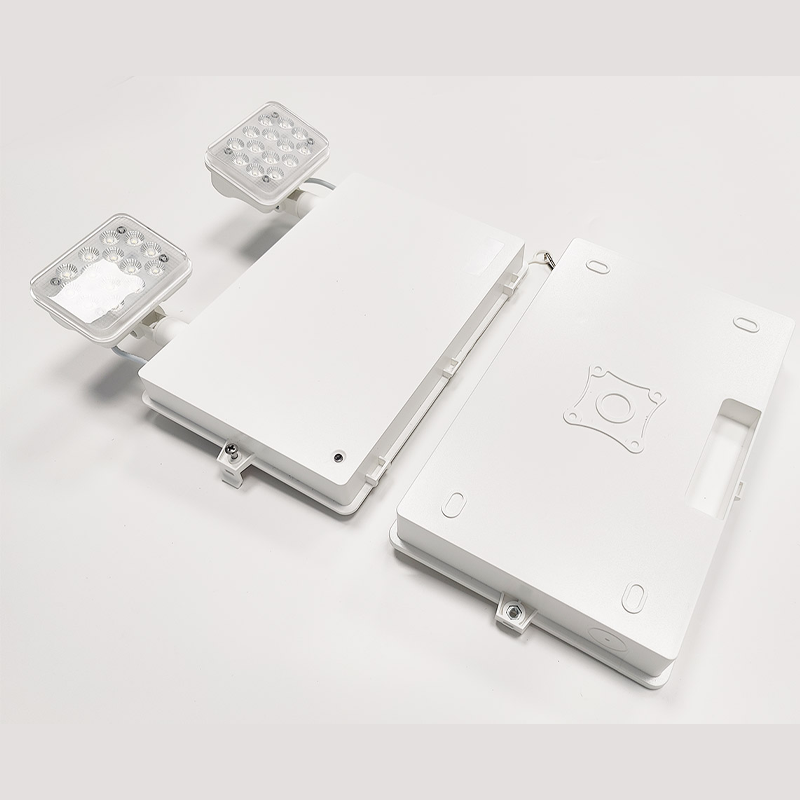
Why Emergency Twinspot Lights Matter
Emergency twinspot lights are designed to provide high-intensity illumination in critical areas during blackouts, fires, or other emergency scenarios. Unlike simple exit signs or single-bulb lights, twinspot units come with dual adjustable lamps, offering wider light coverage and redundancy—if one lamp fails, the other still operates.
These systems are widely used in:
- Warehouses
- Hospitals and healthcare facilities
- Schools and universities
- Industrial plants
- Commercial buildings
- Parking lots and garages
The purpose is clear: maintain visibility, reduce panic, and allow safe evacuation or continued operation during an emergency. But to truly serve their function, these units must include certain essential features.
1. Battery Backup Reliability
The most important feature of emergency twinspot lights is their battery backup system. Without a dependable battery, even the brightest twinspot unit becomes useless in a power outage.
Key Considerations:
- Battery Type: Modern models typically use sealed lead-acid or lithium-ion batteries. Lithium-ion options often last longer and recharge faster.
- Duration: Emergency standards usually require at least 90 minutes of illumination. Some higher-end units provide up to 3 hours or more.
- Recharge Time: Fast recharge ensures readiness after each outage.
- Testing Features: Many models come with self-test functions to check battery health automatically.
Why It Matters
During a fire or evacuation, the last thing you want is for the light to dim after 20 minutes. A reliable battery ensures compliance with fire safety codes and gives building occupants enough time to escape or emergency responders enough time to act.
👉 Learn more about battery standards for emergency lighting (NFPA 101)
2. Brightness and Light Coverage
Brightness is another critical feature of emergency twinspot lights. Unlike decorative fixtures, these lights are designed to flood large areas with illumination to prevent accidents and guide occupants safely.
Key Considerations:
- Lumen Output: Higher lumens mean brighter light. For industrial or warehouse use, 300–500 lumens per lamp is common.
- Beam Angle: Twin adjustable heads should allow you to direct light where it’s most needed.
- LED Technology: LED twinspot lights are more energy-efficient, longer-lasting, and brighter compared to halogen or incandescent versions.
Why It Matters
Poor illumination can lead to tripping, falling, or confusion during an evacuation. Bright, well-directed light ensures hallways, exits, staircases, and assembly points remain visible.
3. Durability and Build Quality
Emergency lights must function under extreme conditions—smoke, heat, dust, or even moisture. Durability ensures the unit will keep operating when it matters most.
Key Considerations:
- IP Rating: A rating like IP65 indicates dust-tight and water-resistant construction, ideal for outdoor or industrial environments.
- Impact Resistance: Look for tough ABS plastic or aluminum housings.
- Temperature Tolerance: Some units are designed to withstand extreme cold or heat.
Why It Matters
A fragile light that breaks in the first year or fails in humid conditions creates unnecessary safety risks. Investing in robust construction guarantees long-term reliability.
4. Compliance with Safety Standards
No matter how well-built a unit seems, it must meet regulatory standards to be legally installed in commercial and industrial settings. Compliance ensures that your lighting system has been tested for safety and performance.
Key Standards to Look For:
- UL or CE Certification (depending on your region)
- NFPA 101 (Life Safety Code) compliance in the U.S.
- EN 60598-2-22 compliance in Europe for emergency lighting fixtures
- Local building code requirements
Why It Matters
Installing non-compliant lighting can lead to fines, liability issues, or failed inspections. Certified emergency twinspot lights provide peace of mind and legal protection.
5. Maintenance and Testing Features
The final critical feature of emergency twinspot lights is ease of maintenance. Even the best lights require periodic testing and servicing. Modern units make this process simpler.
Key Considerations:
- Self-Diagnostic Systems: Built-in self-test modes automatically check battery and lamp functions.
- Manual Test Buttons: Allow facility managers to perform quick tests without professional equipment.
- Indicator Lights: Show charging, battery status, and fault detection.
- Replaceable Components: Batteries and lamps should be easily replaceable without discarding the whole unit.
Why It Matters
Routine testing is a legal requirement in many regions. Features that simplify maintenance save time, reduce costs, and ensure that the lights always function properly when needed.
Bonus Consideration: Design and Mounting Options
While safety comes first, design flexibility matters too. Emergency twinspot lights come in wall-mounted, ceiling-mounted, and portable models. Slim, low-profile designs are ideal for offices, while heavy-duty units are better suited for warehouses and factories.
Practical Buying Tips
When evaluating products, keep these tips in mind:
- Compare Battery Specs before purchase—don’t settle for less than 90 minutes.
- Look for LED Units for efficiency and brightness.
- Check Certifications on packaging or manufacturer websites.
- Invest in Quality over cheaper models that may fail early.
- Consult Local Codes to ensure compliance with regional fire safety laws.
Conclusion
Buying emergency lighting is not just a purchase—it’s an investment in safety, compliance, and peace of mind. By focusing on the 5 critical features of emergency twinspot lights—battery backup reliability, brightness and coverage, durability, compliance, and maintenance—you can ensure your building is prepared for any emergency.
Whether you manage a hospital, factory, or office building, choosing the right system can save lives. Don’t settle for the cheapest option—invest in quality, compliance, and reliability.


