With the popularization of energy conservation and environmental protection concepts,
LED lamps have become the mainstream choice for modern lighting due to their advantages such as high efficiency, energy conservation and long lifespan.
However, many consumers and enterprises often overlook a key performance indicator – Power Factor (PF for short) when purchasing LED lamps. Power factor not only affects power supply efficiency, but also relates to electricity bill expenditure and the stability of the power grid.
This article will delve into the significance of power factor, reveal its crucial role in LED lighting fixtures, and assist you in making a wiser choice.
What is power factor?
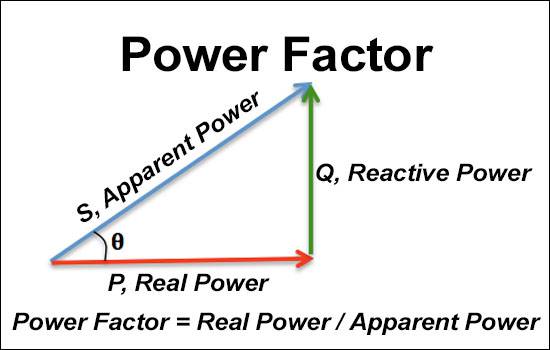
Power factor is an important indicator for measuring the efficiency of a power supply.
It is the ratio of active power (the actual consumed electrical energy) to apparent power (the total electrical energy in the circuit), and its value ranges from 0 to 1.
The closer the power factor is to 1, the more effectively electrical energy is utilized and the higher the power supply efficiency.
Conversely, a low power factor indicates that there is a large amount of reactive power in the power system, resulting in a waste of electrical energy and increasing the burden on the power system.
In actual electricity usage, a low power factor can lead to an increase in electricity bills, as power companies usually charge additional fees to users with a low power factor. In addition, a low power factor can also cause voltage fluctuations and equipment heating, shortening the lifespan of electrical equipment.
The influence of power factor on LED lamps
Due to their inherent electronic driving characteristics, the power factor performance of LED lamps varies greatly.
Some low-quality LED lamps have a relatively low power factor, which leads to a decrease in the utilization rate of electrical energy and fails to fully leverage their energy-saving advantages.
LED lamps with low power factor not only waste electricity but may also affect the stable operation of the entire power grid.
In contrast, LED lamps with high power factor have achieved efficient conversion of electrical energy by optimizing circuit design.
This type of lighting fixture can reduce the generation of reactive power, lower current harmonics and enhance the overall power usage efficiency.
Not only that, high power factor LED lamps not only enhance the quality of lighting but also save users more electricity bills, demonstrating a higher cost performance.
How to improve the power factor of LED lamps?
The key to improving the power factor lies in the design of the driver power supply for LED lamps.
The adoption of advanced power factor correction (PFC) technologies, such as passive PFC and active PFC, can effectively enhance the power factor.
The active PFC technology is particularly prominent, capable of achieving a power factor of over 0.9, significantly enhancing the efficiency of power utilization.
In addition, choosing LED lighting brands that meet international certification standards (such as IEC, CE, etc.) is also an effective way to ensure power factor and overall performance.
High-quality LED lamps not only have a high power factor, but also perform better in terms of safety, luminous efficacy and lifespan.
The multiple benefits brought by LED lamps with excellent power factor
High power factor LED lamps not only save energy and are environmentally friendly, but also reduce the load on the power grid and extend the service life of equipment.
For enterprise users, this means significant savings in electricity bills and reduced maintenance costs.
For public facilities and household users, it means a more stable lighting experience and less waste of electricity.
From a macro perspective, promoting high-power-factor LED lamps can help drive the use of green energy, reduce carbon emissions, and contribute to the achievement of sustainable development goals.
Every improvement in detail, when accumulated, will eventually lead to a more environmentally friendly and efficient future lighting environment.
Conclusion
Power factor, as an important indicator for measuring the efficiency of power supplies, directly affects the energy-saving effect and application value of LED lamps.
Choosing LED lamps with high power factor is not only a guarantee of one’s own interests, but also a strong support for environmental protection.
Let’s start by focusing on power factor, light up a green future and illuminate a better life.