Modern lighting systems are more advanced, efficient, and intelligent than ever before — yet they are also more vulnerable to electrical disturbances. Among these, transient overvoltage events pose a severe threat to LED performance and durability. This is why surge protection in LED lighting systems is not a luxury but an absolute necessity. As LEDs become the dominant technology for homes, industries, smart cities, and outdoor infrastructure, surge protection emerges as the crucial engineering “immune system” shielding delicate electronics from unexpected voltage spikes.
This comprehensive guide explores the science behind surge protection, the causes and effects of electrical surges, methods and devices used to protect LED luminaires, global standards, installation practices, and future trends. Whether you are an electrical engineer, lighting designer, facility manager, or manufacturer, understanding surge protection is essential for building reliable, long-lasting LED solutions.
What Is Surge Protection?
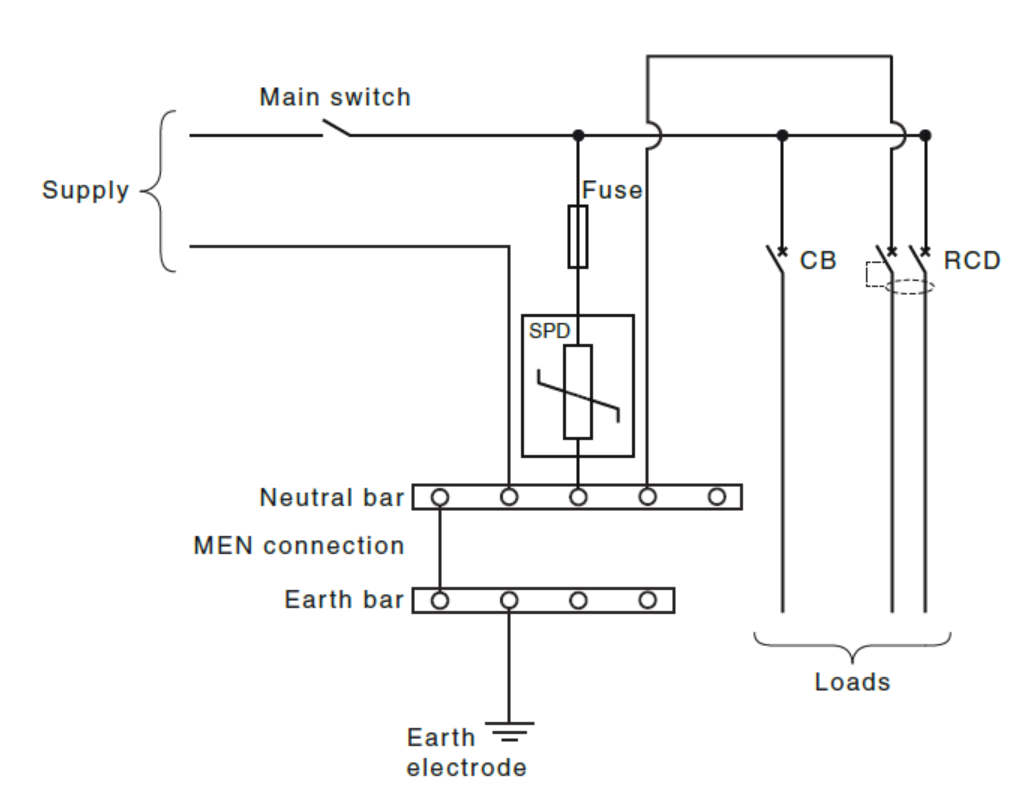
Surge protection refers to the techniques and devices used to safeguard electrical equipment from transient overvoltages, commonly known as surges or voltage spikes. These surges last for microseconds to milliseconds but can reach thousands of volts — more than enough to damage sensitive LED drivers.
Surge protection devices (SPDs):
- Limit the magnitude of voltage spikes
- divert excess energy safely to the ground
- prevent catastrophic component failure
- prolong the lifespan of LED luminaires
LED fixtures contain electronic components such as drivers, MCUs, power supplies, sensors, and control modules. These semiconductors are far more sensitive to electrical disturbances than traditional incandescent or fluorescent lamps, making surge protection a fundamental design requirement.
Why LED Lighting Needs Surge Protection
LED luminaires operate on low-voltage electronic circuits. They also use switching-mode power supplies, which are highly efficient but extremely susceptible to transient events. Understanding the importance of surge protection in LED lighting systems begins with recognizing what LEDs are up against.
Sources of Electrical Surges
Electrical surges come from both external and internal sources.
1. Lightning Strikes
Indirect lightning strikes are the biggest threat to outdoor LED systems. Even when lightning does not hit the luminaire directly, it induces massive voltage spikes through the electrical grid or nearby conductive structures.
2. Grid Switching Events
Utilities frequently switch loads, transformers, and distribution feeders. These switching operations generate surges that propagate through the grid.
3. Industrial Machinery
Heavy-duty equipment such as motors, compressors, elevators, and welding machines can introduce high transient voltages into commercial and industrial lighting circuits.
4. Faults and Short Circuits
Electrical faults create massive disturbances that travel through circuits, harming unprotected luminaires.
5. Internal Building Equipment
HVAC systems, pumps, and power supplies can cause repeated low-level surges that degrade LED drivers over time.
Because LEDs are electronic devices, even small, frequent surges can dramatically reduce their lifespan.
What Happens When an LED Is Exposed to a Surge?
The impact of surges on LED lighting systems can range from mild degradation to total failure.
1. Immediate Failure
High-energy surges burn out:
- LED chips
- rectifier circuits
- switching components
- internal wiring
This results in instant lamp failure.
2. Driver Damage
The LED driver is the most vulnerable part. A damaged driver causes:
- flickering
- Reduced lumen output
- complete shutdown
- intermittent operation
3. Gradual Degradation
Repeated low-level surges wear down semiconductor junctions. This leads to:
- lower efficiency
- color shift
- premature lumen depreciation
4. Communication Failure (Smart LEDs)
Surges easily disrupt microcontrollers (MCUs) and RF modules in IoT-enabled luminaires.
How Surge Protection Devices Work
SPDs operate by diverting, absorbing, or clamping excess voltage before it reaches sensitive LED electronics.
Key Functional Principles
- Clamping Voltage: The voltage level at which the SPD begins to conduct.
- Response Time: SPDs react within nanoseconds.
- Energy Absorption Capacity: Measured in joules (J).
- Surge Withstand Rating: Commonly measured in kA (kiloamperes).
Types of Surge Protection Devices for LED Lighting
Multiple SPD technologies are used in LED luminaires, often in combination for layered protection.
1. Metal Oxide Varistors (MOVs)
MOVs are the most widely used surge protection components.
Advantages:
- fast response
- inexpensive
- high surge handling capacity
- reliable operation
Typical Usage:
LED drivers, PCB boards, and external SPD modules.
2. Gas Discharge Tubes (GDTs)
GDTs provide strong protection against high-energy surges, especially lightning-induced ones.
Benefits:
- very high surge current capability
- excellent isolation
- long lifespan
Typical Applications:
Outdoor luminaires, industrial LED fixtures, street lighting.
3. Transient Voltage Suppression (TVS) Diodes
TVS diodes respond faster than any other SPD type.
Strengths:
- ultra-fast response
- precise clamping
- ideal for protecting sensitive ICs
Typical Applications:
Smart luminaires, LED control circuits, and communication modules.
4. Surge Protection Modules (External SPDs)
External SPDs are used when protection requirements exceed what internal drivers can handle.
Common Ratings:
- 6kV
- 10kV
- 20kV LED surge protectors
Applications:
Streetlights, stadium lighting, commercial buildings, and outdoor signage.
Surge Protection Requirements for Outdoor & Industrial LEDs
Outdoor lighting faces the highest surge risks, making strong SPDs mandatory.
IEC 61000-4-5 Standard
Specifies the immunity of LED drivers against surge events.
Typical requirements:
- Outdoor luminaires: 10kV/10kA
- Industrial luminaires: 6kV–15kV
- Residential/Commercial indoor: 2kV–4kV
Local standards may also apply, such as:
- ANSI C82.77
- IEEE C62.41
- EN 61643
Manufacturers must test LED luminaires under these conditions to guarantee reliability.
Placement of Surge Protection in LED Systems
Surge protection can be installed at various points depending on system architecture.
1. At the LED Driver Input
Protects the entire luminaire.
2. At the Main Service Panel
Provides building-level surge suppression.
3. At Secondary Distribution Panels
Offers protection for specific circuits.
4. Integrated into the Luminaire Housing
Ideal for outdoor and high-risk applications.
Best Practices for Effective Surge Protection
1. Understand the Local Environment
High-risk areas include:
- regions with strong thunderstorms
- rural distribution networks
- industrial zones
- outdoor installations
These require stronger SPDs.
2. Choose the Proper SPD Rating
Typical recommended values:
- Indoor LED lighting: 2kV–4kV
- Outdoor LED streetlights: 6kV–10kV
- Harsh industrial areas: 10kV–20kV
3. Use Layered Surge Protection
Combine:
- GDTs
- MOVs
- TVS diodes
This ensures both high-energy and low-voltage precision protection.
4. Grounding Is Critical
Even the best SPD will not function without proper grounding.
Poor grounding leads to:
- ineffective surge diversion
- cumulative damage
- increased driver failure
5. Regular Maintenance
Outdoor SPDs degrade over time due to repeated stress. Checking and replacing them ensures continued protection.
Surge Protection for Smart and Connected LED Systems
IoT LED luminaires include:
- sensors
- communication chips
- microchips
- power-line communication (PLC)
- wireless modules
These components require ultra-fast protection via:
- TVS diodes
- hybrid SPDs
- multi-stage surge circuits
Without proper protection, a single surge can disable a large part of a connected lighting network.
Energy Efficiency and Surge Protection: The Hidden Connection
Damaged drivers become inefficient, increasing:
- energy consumption
- heat
- power distortion
Effective SPD implementation ensures that LED systems maintain their high luminous efficacy throughout their lifespan.
Real-World Examples of Surge Failures
Case 1: Streetlights Near High-Tension Lines
Without SPDs, LED fixtures began failing within weeks due to repeated surges.
Case 2: Industrial Plant
Heavy machinery caused daily voltage spikes. Drivers degraded rapidly, reducing LED output and causing flicker.
Case 3: Smart Lighting Network
Unprotected communication modules failed during the lightning season, disabling IoT features.
Proper surge protection could have prevented each of these incidents.
Trends Shaping the Future of Surge Protection
1. Intelligent SPDs
Smart SPDs monitor surge events, health status, and remaining capacity.
2. Surge-withstand Drivers
Modern LED drivers increasingly integrate high-kV protection.
3. Nanosecond SPD Technologies
Future SPDs may respond even faster with higher precision.
4. Modular Replaceable SPDs
Designed for quick swap-outs in large outdoor lighting networks.
5. AI-Based Grid Monitoring
Predicts and mitigates surge events before they occur.
As LED systems evolve, surge protection will become even more sophisticated.
Conclusion: Surge Protection Is the Guardian of LED Longevity
LED lighting systems are efficient, durable, and intelligent — but they are also vulnerable. Surges can destroy drivers, degrade performance, and reduce lifespan. That is why surge protection in LED lighting systems is essential, not optional.
Surge protection:
- prevents catastrophic failures
- shield sensitive electronics
- supports smart lighting functionality
- enhances safety
- reduces maintenance costs
- ensures long-term system reliability
In short, surge protection is the invisible guardian that keeps LED technologies shining brightly and consistently, even in the face of electrical chaos.