In the world of LED lighting, ensuring quality before shipment is essential to guarantee long-lasting performance, safety, and efficiency. The critical LED aging tests before shipment are non-negotiable procedures that every manufacturer should conduct to confirm the reliability and durability of their products. These tests are performed to simulate real-world conditions and identify any potential defects that could compromise the light’s performance over time. In this article, we’ll explore the eight critical LED aging tests and explain why each one plays a vital role in ensuring the quality of LED lights, particularly for applications such as LED batten lights, outdoor lighting, and others.
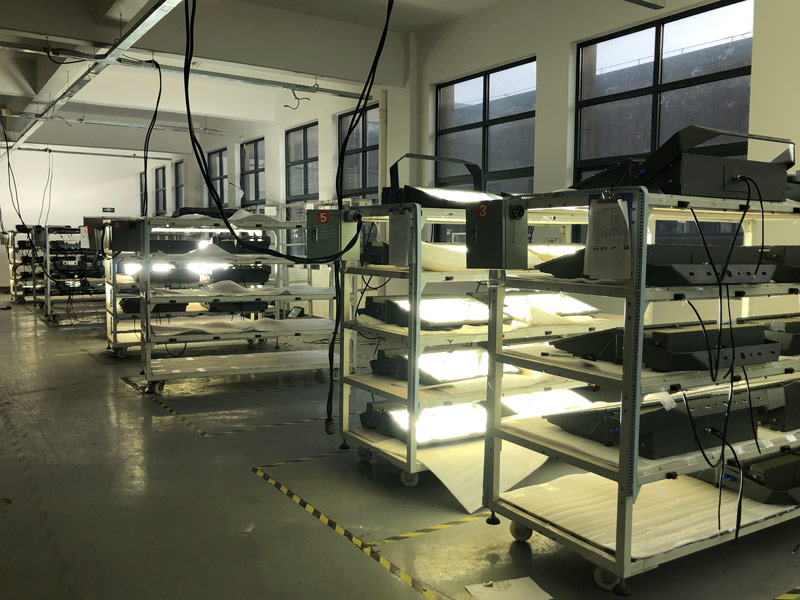
1. High-Temperature Test: Simulating Extreme Operating Conditions
The high-temperature test is one of the first and most important aging tests for LED lighting. This test exposes the LED lights to higher temperatures to simulate environments where lights may be exposed to heat over extended periods, such as in industrial areas, kitchens, or outdoor spaces.
The purpose of the high-temperature test is to assess how well the LED light can handle heat stress without deteriorating. The LED aging test helps identify possible weaknesses such as overheating or premature component failure, ensuring that the lights will continue to perform reliably in high-heat environments. For more information on the effects of high temperatures on LED lights, check out this Energy.gov article on LED lighting.
2. Thermal Cycling Test: Ensuring Performance Under Temperature Fluctuations
The thermal cycling test is another critical procedure where the LED lights are subjected to repeated cycles of heating and cooling. This test simulates how the lights will perform when exposed to varying temperatures, such as day-to-night temperature changes or seasonal fluctuations.
Thermal cycling helps assess how well the LED components endure these stresses without cracking or losing functionality. If a light passes the thermal cycling test, it is far more likely to remain reliable in environments with frequent temperature changes, such as warehouses or outdoor installations. For more on temperature effects and testing, visit the LED professional Thermal Management page.
3. Continuous Operation Test: Simulating Long-Term Usage
The continuous operation test subjects the LED light to extended use to mimic long-term operation. The lights are powered on and left running for several hours or even days to evaluate the performance and potential degradation of the LEDs over time.
This test is essential to determine how the lights handle prolonged use and heat dissipation. It also ensures that the LED lights will not dim, flicker, or fail unexpectedly, which is critical for lighting solutions like LED batten lights, which are designed for long-term illumination in large spaces.
4. Power Surge Test: Ensuring Protection Against Voltage Spikes
LED lights are sensitive to voltage spikes that can occur due to power surges from lightning strikes, electrical grid fluctuations, or faulty wiring. The power surge test is conducted to simulate these voltage spikes and assess whether the LED lighting system can withstand them without suffering damage.
The ability to pass this test ensures that the LED lights have proper surge protection and can handle the unpredictable nature of electrical systems in outdoor or industrial environments. For more on power surge protection for LED lights, visit the IEEE guide on surge protection.
5. Input Voltage Test: Verifying Voltage Compatibility
The input voltage test ensures that the LED lighting system can function across a range of input voltages. In many regions, voltage supply can fluctuate, and the LED aging test checks whether the lights are able to operate effectively despite these variations.
This test helps verify that the LED lights can be used in different locations with varying power supplies, ensuring versatility and broad compatibility. By passing this test, the lights can be used in areas with unstable or inconsistent voltage inputs without issues. For more information on voltage requirements for LEDs, refer to the National Electrical Manufacturers Association (NEMA).
6. Humidity Test: Assessing Moisture Resistance
For LED batten lights or other lighting solutions used in outdoor or high-humidity areas, the humidity test is essential. This test exposes the LED lights to high levels of moisture and evaluates their ability to withstand damp conditions without deterioration. Humidity can cause corrosion or short-circuiting of electrical components, so ensuring that LED batten lights are resistant to moisture is critical for longevity.
By passing the humidity test, LED batten lights are guaranteed to remain functional and reliable, even in environments such as warehouses, factories, or outdoor spaces that experience high moisture levels. For more information on moisture resistance standards for lighting, check out the IEC (International Electrotechnical Commission).
7. Impact Resistance Test: Assessing Durability Against Physical Shocks
The impact resistance test assesses how well LED lighting can withstand physical shocks or vibrations, common in environments where equipment may be bumped or moved. This test simulates accidental drops, shocks, or vibrations that could occur during handling, installation, or everyday operation.
By passing the impact resistance test, manufacturers can ensure that the LED lights will remain intact and continue to operate effectively even when subjected to mechanical stress. For further reading on impact resistance, visit the Light Fair International impact testing guide.
8. Light Output and Color Consistency Test: Ensuring Uniform Performance
The light output and color consistency test evaluates the LED light’s color temperature and brightness consistency over time. LEDs tend to degrade and shift color as they age, so this test ensures that the LED lighting system maintains its original performance throughout its lifespan.
This test is essential for ensuring that LED batten lights or any other LED fixtures provide uniform, high-quality illumination without noticeable dimming or color shifting, which could affect the aesthetic or functionality of the lighting in various applications.
For more information on maintaining light quality and color consistency, refer to the International Lighting Design Standards.
Conclusion: Why These 8 Critical LED Aging Tests Are Essential for Quality
The 8 critical LED aging tests before shipment are designed to ensure the durability, safety, and high performance of LED lights. By testing for factors such as temperature tolerance, power surges, impact resistance, and light consistency, manufacturers can identify potential problems before shipment and deliver a product that meets the highest standards of quality.
These tests are especially important for LED batten lights, which are commonly used in industrial, commercial, and outdoor environments. With rigorous aging tests, LED lights can withstand extreme conditions and continue to deliver optimal performance, offering customers a reliable, long-lasting lighting solution.
By making sure that these critical LED aging tests are conducted before shipment, manufacturers can guarantee that their lights are ready for real-world applications, ensuring reliability, safety, and overall quality.