
The Importance of Compliance in Emergency Lighting
In the ever-evolving world of building safety and energy efficiency, smart LED emergency downlights have become a critical component. These lights not only provide illumination during emergencies but also ensure compliance with stringent safety standards in various regions. Two key compliance standards are EN 1838 for Europe and AS 2293 for Australia. Understanding these standards and ensuring that smart LED emergency downlights meet them is essential for any building owner, contractor, or architect looking to maintain both safety and legal compliance.
In this article, we’ll break down the smart LED emergency downlights compliance requirements in Europe and Australia, highlighting what each region demands from these lighting systems and how these standards affect the performance of LED lights in emergencies.
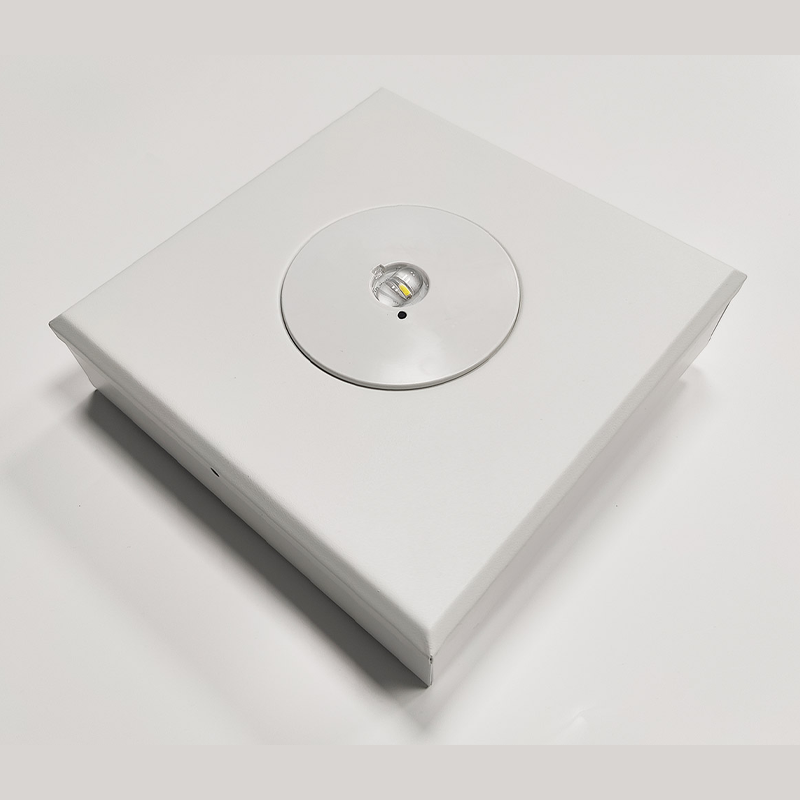
1. What Are Smart LED Emergency Downlights?
Smart LED emergency downlights are a blend of modern technology and energy-efficient lighting designed to function in emergency conditions. These downlights automatically switch on when there is a power failure, providing essential illumination in exit routes, stairways, corridors, and other critical areas. Key features include:
- Energy Efficiency: Low energy consumption while providing consistent lighting during emergencies.
- Long Lifespan: Compared to traditional lighting systems, LED emergency downlights last significantly longer, reducing maintenance and replacement costs.
- Smart Features: Integration with building management systems (BMS) for remote monitoring and diagnostics, automatic self-testing, and real-time fault detection.
These smart LED emergency downlights have become more popular in recent years, particularly in modern building designs, due to their energy efficiency, ease of maintenance, and enhanced safety.
2. Compliance in Europe: Understanding EN 1838
In Europe, EN 1838 governs the design, installation, and maintenance of emergency lighting systems, ensuring that emergency lighting provides adequate illumination during power outages or other hazardous situations. For smart LED emergency downlights to be compliant with EN 1838, several critical parameters must be met:
Key Requirements of EN 1838:
- Minimum Illumination Levels: Emergency downlights must provide a minimum level of illumination to allow for safe evacuation. For escape routes, a minimum of 1 lux is required, while areas where people may congregate must have 0.5 lux.
- Duration of Illumination: Emergency lights should operate for a minimum of 3 hours following a power failure, ensuring enough time for occupants to evacuate.
- Self-testing Capabilities: EN 1838 mandates that lighting systems undergo regular testing to verify that they are operational. Smart LED emergency downlights that feature automatic self-testing capabilities simplify this process.
- Light Distribution: The lighting must be evenly distributed to prevent dark spots in corridors, staircases, and other escape routes, ensuring full compliance with safety standards.
By integrating smart features, such as automated monitoring and diagnostics, smart LED emergency downlights not only meet EN 1838 but exceed expectations for reliability and performance.
3. Compliance in Australia: Understanding AS 2293
In Australia, AS 2293 is the equivalent standard that regulates emergency lighting systems. It outlines requirements for the design, installation, and maintenance of lighting systems used in emergency situations. Similar to EN 1838, AS 2293 focuses on the ability of the lighting system to provide adequate illumination during emergencies, but it has a few unique specifications.
Key Requirements of AS 2293:
- Illumination Levels: AS 2293 specifies that emergency lighting should provide 1 lux for exit routes and 2 lux for other critical areas such as assembly areas.
- Battery Backup and Duration: The system should provide a minimum of 90 minutes of lighting during a power outage.
- Testing and Maintenance: Regular testing is required to ensure that the emergency lighting system is always functional. Smart LED emergency downlights with automated testing features streamline this process.
- Light Distribution: Like EN 1838, AS 2293 requires the light distribution to be uniform across escape routes, with no dark spots or areas with insufficient lighting.
AS 2293 emphasizes that smart LED emergency downlights must maintain reliability and offer real-time diagnostics for quick identification of potential faults.
4. How Smart LED Emergency Downlights Meet Compliance Standards
The integration of smart features in LED emergency downlights makes meeting the rigorous compliance standards of both EN 1838 and AS 2293 much easier. Here’s how:
Automatic Self-Testing:
- EN 1838 and AS 2293 both require regular testing of emergency lights to ensure they’re functional. Smart LED emergency downlights are equipped with self-testing capabilities that automatically check battery health, light output, and overall functionality without manual intervention. This ensures the system meets compliance standards with minimal effort.
Remote Monitoring and Diagnostics:
- Smart LED emergency downlights can be integrated into a Building Management System (BMS), allowing real-time monitoring. This enables facility managers to identify and address any issues promptly, ensuring that the system complies with both EN 1838 and AS 2293.
Energy Efficiency:
- Smart LED emergency downlights are more energy-efficient than traditional systems, aligning with both EN 1838 and AS 2293, which emphasize the need for sustainable and low-energy solutions while ensuring the necessary illumination during an emergency.
5. Regular Maintenance and Testing: Ensuring Ongoing Compliance
Even after installation, smart LED emergency downlights require regular maintenance and testing to ensure continued compliance with the relevant standards. EN 1838 and AS 2293 both specify the need for regular checks to verify the operational status of the emergency lighting system.
- Automated Self-Testing: As mentioned, smart downlights automatically test their functionality and battery life, sending alerts when maintenance is needed.
- Manual Inspections: While automated systems make testing easier, manual inspections should still be conducted to verify compliance, particularly after significant repairs or modifications.
By combining both automated and manual checks, smart LED emergency downlights ensure compliance while minimizing the need for complex maintenance procedures.
6. Benefits of Compliant Smart LED Emergency Downlights
Investing in compliant smart LED emergency downlights not only ensures the safety of occupants but also brings multiple benefits to building owners and managers:
- Lower Maintenance Costs: With longer lifespans and fewer replacements needed, smart LED emergency downlights significantly reduce ongoing maintenance costs.
- Energy Savings: The energy-efficient nature of LEDs leads to lower electricity costs, making them an environmentally friendly option.
- Peace of Mind: With automatic testing, diagnostics, and real-time monitoring, building owners can be confident that their lighting systems are always ready for use in emergencies.
- Compliance Assurance: Meeting EN 1838 and AS 2293 standards guarantees that you are legally compliant, reducing the risk of penalties or legal issues.
Conclusion: Ensuring Safety and Compliance with Smart LED Emergency Downlights
In conclusion, smart LED emergency downlights are the future of emergency lighting, combining cutting-edge technology with stringent compliance to both EN 1838 and AS 2293 standards. These downlights not only provide reliable illumination during an emergency but also offer features like automatic self-testing, remote diagnostics, and energy efficiency. By ensuring compliance with the relevant standards, building owners, contractors, and facility managers can ensure both safety and legal compliance.
For anyone looking to install smart LED emergency downlights, understanding and adhering to EN 1838 and AS 2293 regulations is critical. These systems are not just about lighting; they are a fundamental part of a building’s safety infrastructure.


