1. What is Electromagnetic Interference (EMI)?
Definition and Basic Concepts
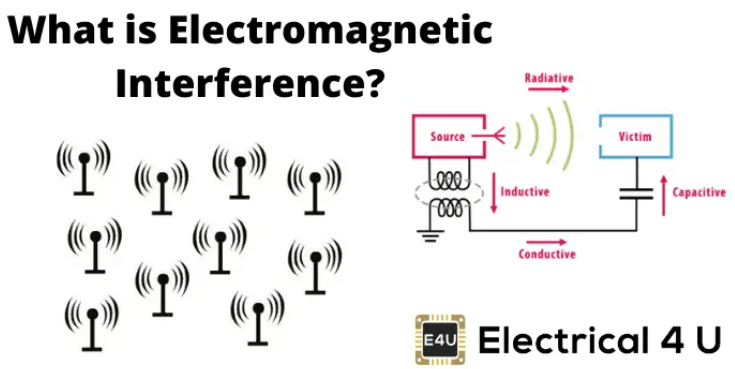
Electromagnetic Interference (EMI) refers to the adverse effect of electromagnetic energy on the performance of electrical or electronic equipment. This interference can cause equipment malfunction, performance degradation, or even complete failure. EMI is essentially a “noise” that superimposes on the equipment’s normal signals, thereby affecting its proper operation.
Classification of EMI: Conducted EMI and Radiated EMI
EMI is mainly divided into two types:
- Conducted EMI: Interference that propagates through conductive media (such as power lines, signal lines). This interference directly couples into the circuit, affecting the normal operation of the equipment.
- Radiated EMI: Interference that propagates in space in the form of electromagnetic waves. Any conductor carrying current will generate electromagnetic radiation, which can be received by other devices and cause interference.
Sources of EMI: Natural and Man-Made Sources
The sources of EMI are wide-ranging and can be divided into natural and man-made sources:
- Natural sources include lightning, solar storms, and cosmic rays, among others. These natural phenomena generate powerful electromagnetic pulses that pose a potential threat to electronic equipment.
- Man-made sources include various electronic devices, power equipment, and wireless communication equipment, among others. For example, switching power supplies, motors, mobile phones, and wireless routers can all generate EMI.
2. How does EMI affect LED Lighting?
EMI Generation Mechanisms in LED Lighting Systems
EMI in LED lighting systems mainly originates from the following aspects:
- LED Driver Circuit: LED drivers typically use switching power supply designs, and their high-frequency switching actions generate a large amount of EMI.
- Internal Wiring of LED Luminaires: Unreasonable PCB wiring and cable layouts can form an antenna effect, enhancing electromagnetic radiation.
- LED Itself: Some LED devices also generate some electromagnetic radiation during operation.
Impact of EMI on LED Luminaire Performance
EMI can have several adverse effects on the performance of LED luminaires:
- Unstable Light Output: EMI can cause LED driver circuits to malfunction, resulting in light output flicker or brightness variations.
- Color Deviation: EMI interference can affect the LED’s color control circuit, leading to inaccurate color display.
- Shortened Lifespan: Prolonged exposure to EMI environments can accelerate the aging of LED devices, shortening their lifespan.
Impact of EMI on Surrounding Electronic Devices
The EMI generated by LED luminaires not only affects their performance but can also interfere with the normal operation of other surrounding electronic devices. For example, it can affect the signal reception of wireless communication equipment or cause noise in audio equipment.
3. EMI Protection Measures in LED Lighting
EMI Suppression in the Design Phase
EMI suppression measures should be fully considered in the design phase of LED luminaires:
- Component Selection: Choose LED driver chips and components with strong anti-interference capabilities.
- Structural Design: Use shielded housings and reasonable grounding designs to reduce electromagnetic radiation.
Component Selection: LED Driver Chips with Strong Anti-Interference Capabilities
The LED driver chip is a key factor affecting EMI performance. Choosing a driver chip with the following characteristics helps reduce EMI:
- Low EMI Design: The chip integrates EMI suppression circuits, such as frequency dithering technology and soft-switching technology.
- High Efficiency: High efficiency means less energy loss, thereby reducing heat generation and EMI radiation.
- Comprehensive Protection Functions: Overvoltage protection, overcurrent protection, overtemperature protection, and other functions can improve system stability and reduce the risk of EMI generation.
Structural Design: Shielding, Grounding
- Shielding: Using a metal housing or conductive coating to shield the housing can effectively block electromagnetic radiation.
- Grounding: Good grounding can guide EMI to the ground, reducing its impact on equipment.
EMI Control in Installation and Maintenance
- Cable Selection and Routing: Choose shielded cables and minimize cable length. Avoid running signal lines parallel to power lines to reduce coupling interference.
- Grounding Measures: Ensure that the luminaire housing is well connected to the ground, providing a low-impedance grounding path.
4. EMC-Compliant LED Lighting Products
Introduction to EMC Standards
To regulate the electromagnetic compatibility (EMC) of electronic devices, a series of EMC standards has been developed internationally. For LED lighting products, common EMC standards include:
- EN 55015: The European Union’s EMC standard for lighting equipment, which mainly specifies the electromagnetic radiation limits and test methods for lighting equipment.
- FCC Part 15: Regulations from the U.S. Federal Communications Commission (FCC) that limit the electromagnetic radiation of electronic devices.
Significance of EMC Certification
EMC certification indicates that the product complies with relevant EMC standards, has good electromagnetic compatibility, will not cause excessive electromagnetic interference to surrounding equipment, and can operate normally in a certain electromagnetic environment.
How to Choose EMC-Compliant LED Luminaires
When choosing LED luminaires, pay attention to whether the product has relevant EMC certification marks, such as the CE mark and FCC mark. In addition, you can request an EMC test report from the supplier to understand the product’s specific EMC performance indicators.
5. Why LED Interference Protection in Lighting Matters
Implementing solid interference protection isn’t just good practice—it delivers measurable outcomes. Below are the five powerful benefits:
5.1 Benefit 1: Improved Lifespan
EMI can stress LED driver components, causing premature failure or reduced overall lifespan. By designing proper led interference protection in lighting, the harmful electrical noise is attenuated, reducing thermal stress and ensuring drivers and LEDs live up to their rated lifetimes.
5.2 Benefit 2: Stable Light Output
Light flicker due to EMI is not only annoying but may also pose health risks such as headaches or visual discomfort. EMI protection ensures consistent current delivery, leading to flicker-free, smooth light output—crucial in office, classroom, or healthcare environments.
5.3 Benefit 3: Reduced Regulatory Risks
Many regions enforce electromagnetic compatibility (EMC) standards—such as CISPR 15 for lighting in Europe or FCC Part 15 in the US. Incorporating led interference protection in lighting helps devices comply, avoiding costly rejections, fines, or recall actions. For more on EMC standards, see the International Electrotechnical Commission (IEC) documents (e.g., IEC 61547) [external authoritative link].
5.4 Benefit 4: Enhanced Energy Efficiency
Unexpected EMI currents can cause power losses and reduce system efficacy. By filtering out unwanted signals and maintaining clean current flow, EMI protection aids in preserving performance and optimizing the lumens-per-watt efficiency rating of LED systems.
5.5 Benefit 5: Better Customer Satisfaction
End-users demand reliability. LEDs that flicker, fail early, or produce inconsistent light can lead to customer complaints and returns. Investing in led interference protection in lighting builds trust, encourages positive reviews, and supports brand reputation.
6. Core Strategies for Implementing Effective EMI Protection
To realize these benefits, engineers and specifiers should adopt a multi-pronged EMI protection strategy:
6.1 Filtering Techniques
- Input EMI filters: Combine capacitors and inductors to block high-frequency noise from entering or exiting the driver.
- Common-mode chokes: Suppress symmetrical interference traveling along paired conductors.
- Use Y-capacitors to shunt leakage currents to ground without jeopardizing safety.
6.2 Shielding Components
- Employ metal enclosures or conductive coatings to form Faraday cages around sensitive driver electronics.
- Shielded cables—especially with twisted-pair conductors—minimize EMI ingress along wiring runs.
6.3 Grounding and Layout Design
- Ensure proper PCB grounding schemes, with star grounds or separation of noisy and quiet ground zones.
- Keep high-frequency switching components away from critical traces; use ground planes to isolate and absorb noise.
- Ensure chassis and earth grounding comply with safety and EMC norms.
6.4 Compliance Testing (EMC Standards)
- Submit lighting units to EMC testing labs for radiated and conducted emissions, immunity, and ESD tests.
- Reference standards: CISPR 15, EN 55015, IEC 61000-4 series, FCC Part 15.
- Meeting these ensures real-world resilience and regulatory compliance.