Introduction
A constant voltage driver, the stable power source for LED lighting, is one of the most crucial components that determine the performance, safety, and lifespan of modern lighting systems. Whether you are designing LED strips for architectural projects, installing signage, or upgrading household lighting, understanding how a constant voltage driver works is key to ensuring long-term reliability.
This comprehensive guide explores what a constant voltage driver is, its features, benefits, applications, and how it compares to constant current drivers. By the end, you’ll know exactly why constant voltage drivers are considered the most stable power source for LED lighting projects.
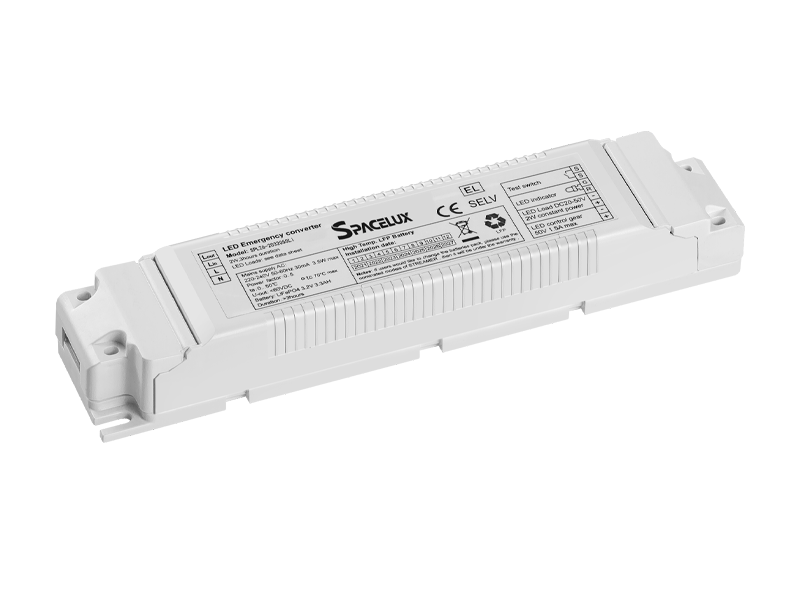
What Is a Constant Voltage Driver?
A constant voltage driver is an electronic power supply that provides a fixed, steady output voltage regardless of changes in load current. Typically, constant voltage drivers output common voltages such as 12V DC or 24V DC, which makes them ideal for LED strips and modules.
Unlike traditional power supplies, a constant voltage driver is specially designed to match the unique requirements of LED lighting systems. It stabilizes the power input, protects LEDs from voltage fluctuations, and ensures consistent brightness.
Why LED Lighting Needs a Stable Power Source
LEDs are sensitive semiconductor devices. Even minor fluctuations in voltage can cause:
- Reduced efficiency
- Flickering or inconsistent brightness
- Shortened lifespan
- Overheating and potential damage
That’s why constant voltage drivers are indispensable — they deliver a regulated, reliable output that prevents these issues.
Key Features of Constant Voltage Drivers
1. Fixed Output Voltage
- Provides a consistent 12V or 24V DC output.
- Perfect for LED strips, signage, and decorative applications.
2. Wide Input Range
- Works with AC inputs like 110V or 220V.
- Converts alternating current into stable direct current.
3. Built-in Protection
Most constant voltage drivers include:
- Overvoltage protection
- Overcurrent protection
- Short-circuit protection
- Thermal shutdown
4. High Efficiency
- Converts power with minimal loss.
- Supports energy-saving lighting solutions.
5. Dimmable Options
- Many constant voltage drivers are compatible with PWM dimmers.
- Allows flexible brightness control for mood or task lighting.
7 Stable Benefits of Using a Constant Voltage Driver
1. Improved LED Lifespan
Stable power ensures LEDs operate within safe parameters, extending service life.
2. Consistent Brightness
No flickering or dimming issues — your LEDs remain steady and reliable.
3. Enhanced Safety
Built-in protection circuits prevent overheating and electrical hazards.
4. Versatility in Applications
Suitable for indoor, outdoor, signage, architectural, and decorative lighting.
5. Easy Installation
Plug-and-play compatibility with most LED strips and modules.
6. Energy Efficiency
Converts power efficiently, lowering electricity costs.
7. Scalability
One constant voltage driver can power multiple LED fixtures connected in parallel.
Constant Voltage vs Constant Current Driver
| Feature | Constant Voltage Driver | Constant Current Driver |
|---|---|---|
| Output | Fixed voltage (12V, 24V) | Fixed current (350mA, 700mA, etc.) |
| Best for | LED strips, signage, decorative lights | High-power LEDs, COB modules |
| Wiring | Parallel connections | Series connections |
| Flexibility | High — supports many LED modules | Limited — fixed current per module |
| Cost | More affordable | Typically higher |
Key takeaway:
If you’re working with LED strips or signage, a constant voltage driver and a stable power source for LED lighting is the right choice. For individual high-power LEDs, a constant current driver may be better.
Applications of Constant Voltage Drivers
- LED Strips – Accent and decorative lighting in homes and offices
- Architectural Lighting – Facade, pathway, and landscape lighting
- Retail & Display – Signboards, lightboxes, and showcases
- Automotive LED Systems – Car interiors and accessories
- Smart Home Systems – Integrated LED setups with dimming control
How to Choose the Right Constant Voltage Driver
- Match Voltage:
- Ensure your LED product is rated for 12V or 24V and pick the corresponding driver.
- Check Power Rating (Wattage):
- Calculate the total wattage of your LEDs.
- Add a 20–30% safety margin when selecting driver power.
- Consider Dimming Needs:
- If dimming is required, choose a driver compatible with PWM or smart controllers.
- Look for Certifications:
- UL, CE, RoHS compliance ensures safety and reliability.
- Outdoor or Indoor Use:
- Choose waterproof IP67-rated drivers for outdoor projects.
Common Misconceptions About Constant Voltage Drivers
- “All LED lights use constant current.”
Not true — many LED systems, especially strips, run on constant voltage. - “Any 12V power supply will work.”
Standard supplies lack the protective circuits found in dedicated LED drivers. - “Bigger drivers are always better.”
Oversized drivers may waste energy; choose one sized appropriately for your load.
Installation Best Practices
- Always connect LEDs in parallel when using constant voltage drivers.
- Use the correct gauge wires to minimize voltage drop.
- Keep driver ventilation clear to avoid overheating.
- Test connections before final installation.
- Energy.gov – LED Basics
- LEDs Magazine – Industry news and technical resources
With the continuous development of LED technology, constant voltage drive power supplies are also gradually upgrading to meet the application requirements of greater intelligence and energy efficiency. In the coming years, the following trends can be foreseen:
Intelligent control integration
More and more constant voltage drives will support smart home systems, such as Zigbee, Z-Wave or Wi-Fi control. This means that users can not only adjust the brightness through the mobile phone App, but also achieve automated lighting control in combination with sensors.
Higher energy efficiency standards
Under the impetus of environmental protection and energy conservation policies, the energy efficiency conversion rate of drivers will be further enhanced, minimizing power loss to the greatest extent. Meanwhile, products that meet the Energy Star or EU energy efficiency standards will become mainstream in the market.
Stronger weather resistance and reliability
To meet the demands of outdoor landscape lighting and commercial lighting, future constant voltage drive power supplies will pay more attention to functional designs such as waterproofing, dustproofing, and lightning protection. This way, a stable power supply can still be maintained in extreme environments.
Miniaturized and modular design
As LED lighting products tend to be lightweight, constant voltage drivers will also become smaller and support modular combinations for installation and use in limited Spaces.
Long lifespan and intelligent diagnosis
High-end products will incorporate self-monitoring and fault diagnosis functions, which can automatically alert or switch to protection mode when the power supply is abnormal, further enhancing safety and service life.
It can be seen from this that a constant voltage driver, a stable power source for LED lighting, is not only a key component of current LED lighting, but will also play a core role in future smart lighting and green buildings. For users who pursue reliability and high performance, choosing a high-quality constant voltage drive power supply is definitely a decision worth long-term investment.
Conclusion
A constant voltage driver, the stable power source for LED lighting, plays a vital role in ensuring safe, efficient, and long-lasting performance of LED systems. By providing a regulated voltage, these drivers protect LEDs from flicker, extend their lifespan, and deliver consistent brightness across applications.
If you’re working with LED strips, signage, or decorative lighting, investing in a reliable constant voltage driver is one of the smartest decisions you can make for stability and energy efficiency.