Introduction
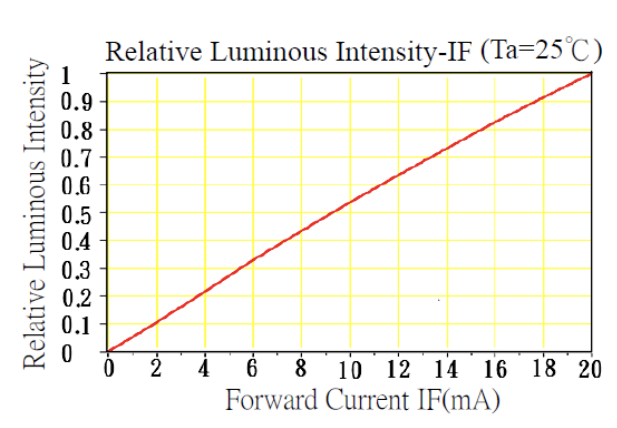
In the world of modern lighting, LED technology has revolutionized energy efficiency, design flexibility, and longevity. However, behind the brilliance of LEDs lies an essential component that determines their performance: the LED driver. Among the critical factors that influence LED performance are the insulation class of LED drivers and the forward current (If). Together, these parameters play a decisive role in controlling LED brightness, efficiency, and lifespan.
In this article, we will delve into the insulation class of LED drivers’ forward current relationship, uncovering how electrical design, safety standards, and current management ensure LEDs operate at their optimal performance for years.
What Is an LED Driver?
An LED driver is an electronic device that regulates the power supply to LEDs. Since LEDs are highly sensitive to current fluctuations, the driver ensures:
- Stable current delivery
- Protection from voltage spikes
- Consistency in brightness
- Safe operation within thermal limits
Without a properly designed LED driver, LEDs may flicker, dim unevenly, or fail prematurely.
Understanding the Insulation Class of LED Drivers
The insulation class of an LED driver refers to the electrical safety and protective barriers built into its design. This insulation prevents accidental electric shocks, improves thermal handling, and ensures compliance with international safety standards.
Types of Insulation in LED Drivers
- Functional Insulation – Ensures the device operates correctly.
- Basic Insulation – Provides a single layer of protection against electrical shock.
- Supplementary Insulation – Adds an extra safety layer in case basic insulation fails.
- Double Insulation – A Combination of basic and supplementary insulation.
- Reinforced Insulation – Single insulation system with equivalent protection to double insulation.
Why Insulation Class Matters
- User Safety: Prevents electric shock hazards.
- Reliability: Reduces risks of breakdown under stress.
- Compliance: Meets IEC, UL, and EN standards for lighting safety.
- Longevity: Protects LEDs from surges and overheating.
Forward Current (If): The Heart of LED Performance
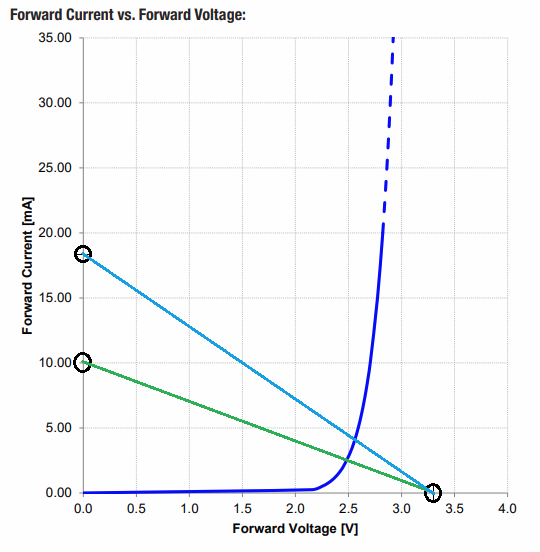
The forward current (If) is the current flowing through the LED when it is forward-biased. It is one of the most critical specifications for LEDs.
- Higher forward current = higher brightness
- Excessive forward current = reduced lifespan and overheating
- Controlled forward current = optimal performance
Most LEDs are rated for a nominal forward current (e.g., 20 mA for indicator LEDs, 350 mA–1500 mA for power LEDs). Exceeding this current drastically shortens their life.
Relationship Between Forward Current and Brightness
LED brightness is almost linearly proportional to forward current—up to a limit.
- Below rated current: LEDs appear dim.
- At rated current, LEDs achieve specified brightness.
- Above rated current: Initial brightness increases, but heat damage reduces lifespan.
Example:
- At 350 mA, a white LED might produce 120 lumens.
- Increasing to 700 mA may boost brightness to 220 lumens, but heat stress reduces efficiency.
Forward Current and LED Lifespan
The lifetime of an LED (often defined as L70—when brightness drops to 70% of original) is strongly influenced by forward current.
- Operating at lower forward current extends LED life.
- Running at maximum forward current shortens life due to thermal stress.
- Optimal balance ensures brightness with reliability.
How the Insulation Class of LED Drivers Affects Forward Current
The insulation class of the LED drivers’ forward current relationship is critical because insulation determines:
- Stability of delivered current
- Safety margins for overload conditions
- The driver’s ability to regulate heat and efficiency
For example:
- A Class I driver with a protective earth connection may safely handle higher forward currents for industrial applications.
- A Class II driver without grounding relies on double insulation, often used in consumer lighting.
The insulation class ensures that when forward current rises, the system remains electrically safe and reliable.
Key Features of Forward Current in LED Drivers
When analyzing the forward current specification of LED drivers, several features stand out:
- Current Regulation Accuracy – Determines how precisely the driver maintains the rated forward current.
- Dimming Compatibility – Many drivers adjust forward current for dimming (PWM or analog dimming).
- Thermal Management – Overcurrent protection prevents LEDs from overheating.
- Surge Tolerance – Insulation class defines how well the driver handles surges without current instability.
- Efficiency Optimization – Correct current balance improves lm/W efficiency.
Practical Design Considerations
When selecting or designing LED drivers:
- Match the driver’s current output to the LED forward current rating
- Choose an insulation class based on the installation environment (industrial, residential, or outdoor)
- Consider dimming methods (PWM vs. constant current reduction)
- Plan for thermal dissipation (heatsinks, airflow)
- Follow safety standards (UL8750, IEC 61347)
Forward Current in Real-World Applications
- Architectural Lighting – Requires precise dimming control with stable forward current.
- Street Lighting – Needs drivers with reinforced insulation to withstand surges and regulate high forward currents.
- Automotive LEDs – Operate under fluctuating voltages; insulation class ensures stable If.
- Consumer Electronics – Prioritize safety via Class II insulation.
Troubleshooting LED Performance Issues
- Flickering → Poor driver regulation of forward current.
- Overheating → Forward current too high or poor insulation/thermal design.
- Dimming inconsistency → Mismatch between driver insulation class and dimming method.
- Premature failure → Driver exceeds LED’s rated forward current.
Conclusion
The insulation class of LED drivers’ forward current relationship is the foundation of reliable LED performance. By understanding how insulation ensures safety and stability while forward current controls brightness and lifespan, designers and engineers can optimize LED lighting systems for efficiency, safety, and longevity.
When choosing LED drivers:
- Match forward current ratings with LED specifications
- Ensure insulation class compliance for safety
- Balance brightness with lifespan through proper current regulation
In short, insulation class + forward current control = long-lasting, efficient LED lighting.