Why the Drive Power Supply for LED Lamp Matters
The drive power supply for LED lamp is often described as the heart of LED lighting systems—and for good reason. Just as the human heart regulates blood flow, the drive power supply for an LED lamp regulates electrical energy, ensuring a stable current, optimal brightness, and a long service life.
While many consumers focus on LED chips, color temperature, or lumens, professionals know that no LED lamp can perform reliably without a high-quality driver power supply. In fact, over 70% of LED lamp failures are directly linked to poor or mismatched drivers.
In this article, we’ll explore how the drive power supply for LED lamps works, its core features, key performance indicators, and why choosing the right one can dramatically improve lighting efficiency, safety, and durability.
What Is a Drive Power Supply for an LED Lamp?
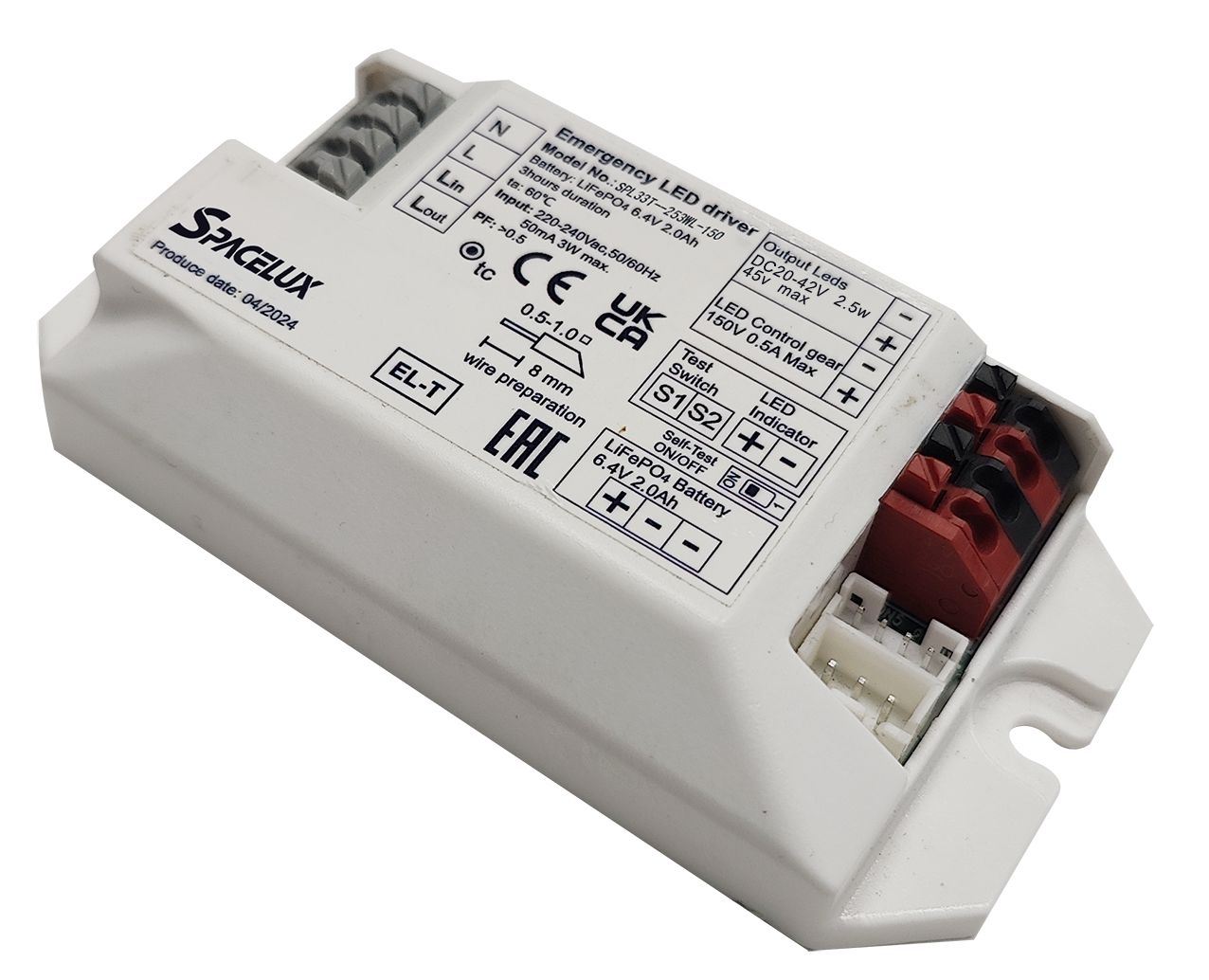
A drive power supply for an LED lamp—also known as an LED driver—is an electronic device that converts incoming electrical power into a controlled current or voltage suitable for LED operation.
Key Function
LEDs are current-driven devices, not voltage-driven ones. This means:
- Too much current → LED overheats and fails
- Too little current → LED dims or flickers
The drive power supply for the LED lamp ensures:
- Stable output current
- Voltage-matching LED requirements
- Protection against electrical fluctuations
Without it, even the most advanced LED chips cannot function safely or efficiently.
Why the Drive Power Supply Is Called the “Heart” of LED Lamps
The metaphor is accurate for several reasons:
| Heart Function | Driver Power Supply Function |
|---|---|
| Pumps blood | Delivers electrical energy |
| Regulates flow | Controls current & voltage |
| Protects organs | Protects LEDs from damage |
| Determines lifespan | Determines lamp lifespan |
A high-quality drive power supply for an LED lamp can extend the LED lifespan from 20,000 hours to over 50,000 hours.
Core Features of a High-Quality Drive Power Supply for LED Lamp
Constant Current Regulation
The most critical feature of a drive power supply for an LED lamp is constant current output.
Why It Matters:
- Prevents current spikes
- Ensures uniform brightness
- Avoids thermal runaway
Most professional LED lamps use constant current drivers rather than constant voltage drivers for higher reliability.
High Power Efficiency
Efficiency directly affects energy consumption and heat generation.
A premium drive power supply for an LED lamp typically offers:
- Efficiency ≥ 85% (indoor)
- Efficiency ≥ 90% (industrial/commercial)
Higher efficiency means:
- Less power loss
- Lower operating temperature
- Longer component lifespan
Wide Input Voltage Range
A robust drive power supply for LED lamp supports wide AC input ranges, such as:
- 100–240V AC (global compatibility)
- 277V AC (commercial/industrial)
This feature protects LEDs from voltage fluctuations caused by unstable power grids.
H2: Electrical Protection Functions That Safeguard LED Lamps
Over-Current Protection (OCP)
When the current exceeds safe limits, the driver:
- Automatically limits output
- Or shuts down to prevent LED damage
Over-Voltage Protection (OVP)
Protects LEDs from sudden voltage surges caused by:
- Lightning
- Grid instability
- Faulty wiring
Short-Circuit Protection (SCP)
A must-have feature in any certified drive power supply for LED lamp. It prevents fire hazards and system failures.
Over-Temperature Protection (OTP)
When internal temperature exceeds safe thresholds:
- The driver reduces output
- Or shuts down automatically
This is crucial for enclosed fixtures and outdoor LED lamps.
Dimming Capabilities of LED Driver Power Supplies
Modern lighting demands flexibility. A drive power supply for an LED lamp often supports dimming technologies such as:
- 0–10V dimming
- TRIAC dimming
- PWM dimming
- DALI dimming
- Smart IoT dimming (Zigbee, Bluetooth)
Dimming compatibility improves:
- User comfort
- Energy savings
- Lighting atmosphere control
For a deeper understanding of dimming standards, refer to this authoritative guide from an LED professional:
https://www.led-professional.com/resources-1
(External dofollow link)
Thermal Management and Its Impact on LED Lifespan
Heat is the silent killer of LEDs.
A well-designed drive power supply for an LED lamp:
- Uses high-temperature capacitors
- Includes optimized PCB layouts
- Supports aluminum or metal housing
According to studies by the U.S. Department of Energy, every 10°C reduction in operating temperature can double electronic component lifespan.
https://www.energy.gov/eere/ssl
(External dofollow link)
Power Factor and Harmonic Control
High Power Factor (PF)
A professional drive power supply for an LED lamp typically has:
- PF ≥ 0.9 (commercial)
- PF ≥ 0.95 (industrial)
High PF reduces:
- Reactive power loss
- Electrical grid burden
- Utility penalties
Low Total Harmonic Distortion (THD)
Low THD ensures:
- Cleaner power usage
- Compliance with IEC standards
- Reduced interference with other devices
Indoor vs Outdoor Drive Power Supply for LED Lamp
Indoor Drivers
- Compact size
- Lower IP rating (IP20–IP40)
- Focus on efficiency and dimming
Outdoor Drivers
- IP65 / IP67 waterproof rating
- Surge protection ≥ 4kV
- Wide temperature tolerance (-40°C to +60°C)
Choosing the right drive power supply for an LED lamp depends heavily on the installation environment.
Certifications and Compliance Standards
A reliable drive power supply for an LED lamp should meet international certifications:
- CE
- RoHS
- UL
- ENEC
- TUV
- FCC
These ensure:
- Electrical safety
- Environmental compliance
- Market acceptance
Common Failures Caused by Poor LED Drivers
Low-quality drivers can lead to:
- Flickering light
- Audible noise
- Rapid lumen depreciation
- Complete lamp failure
In contrast, a premium drive power supply for an LED lamp ensures:
- Stable illumination
- Silent operation
- Consistent color output
How to Choose the Right Drive Power Supply for an LED Lamp
Key Selection Criteria:
- Output current rating
- Voltage range compatibility
- Efficiency level
- Dimming requirements
- Environmental rating
- Brand reliability
Future Trends in LED Driver Power Supply Technology
The evolution of the drive power supply for LED lamp includes:
- Smart drivers with IoT connectivity
- AI-based adaptive current control
- Ultra-thin driver designs
- Higher efficiency GaN components
These innovations will further enhance LED performance and sustainability.
Conclusion: The True Value of a Drive Power Supply for LED Lamp
The drive power supply for the LED lamp is far more than a supporting component—it is the core system that determines performance, safety, and longevity.
By investing in a high-quality driver:
- LEDs operate efficiently
- Maintenance costs decrease
- Lighting quality remains consistent
- Safety risks are minimized
Whether for residential, commercial, or industrial lighting, choosing the right drive power supply for LED lamps is the smartest decision you can make for long-term success.