
Emergency exit lighting is more than just a safety requirement—it’s a legal obligation in Saudi Arabia and the UAE. Knowing how to install emergency exit lighting systems correctly can prevent accidents, ensure compliance, and provide peace of mind in commercial, industrial, and residential settings.
In this guide, we will break down the standards, features, and practical steps you need to follow to select, install, and maintain compliant emergency exit lighting systems in both Saudi Arabia and the UAE.
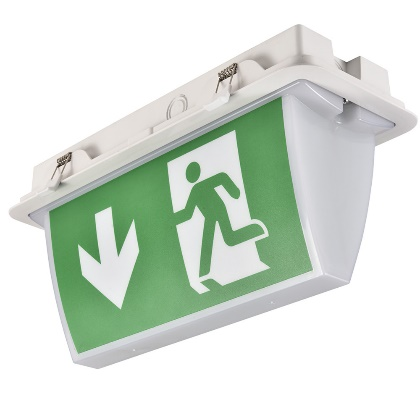
Why Emergency Exit Lighting Matters
Emergency exit lighting plays a critical role during power outages, fires, or other emergencies. It helps people safely navigate toward exits, reducing panic and preventing injuries.
Key benefits include:
- Life Safety: Guides occupants to exits during emergencies.
- Legal Compliance: Both Saudi Arabia and the UAE have strict building safety codes.
- Risk Reduction: Helps avoid fines, shutdowns, or reputational damage.
- Operational Continuity: Ensures businesses meet fire safety audits and insurance requirements.
Regional Standards and Compliance Requirements
When learning how to install emergency exit lighting systems in Saudi Arabia and the UAE, it’s essential to understand local building codes and international standards.
Saudi Arabia Regulations
- Must comply with Saudi Building Code (SBC 801 – Fire Protection).
- Installation must follow Saudi Civil Defense requirements.
- Lighting must remain operational for at least 90 minutes during a power failure.
UAE Regulations
- Regulated under the UAE Fire and Life Safety Code of Practice.
- Systems must comply with Dubai Civil Defence (DCD) and Abu Dhabi Civil Defence approvals.
- Energy-efficient LED emergency lights are strongly encouraged.
International Standards Often Referenced
- NFPA 101 Life Safety Code
- IEC 60598-2-22 for Emergency Luminaires
- ISO 30061:2007 for Escape Lighting Systems
📌 External resource: NFPA Life Safety Code
Features of Emergency Exit Lighting Systems
When selecting your system, make sure it includes:
- Automatic Activation – Lights should switch on immediately during power loss.
- Battery Backup – Minimum 90-minute battery capacity.
- LED Technology – Longer life span and reduced energy consumption.
- Directional Exit Signs – Arrows guiding occupants toward safe exits.
- Weatherproof Options – Especially important for outdoor or industrial environments.
- Test Switch & Indicator – For routine maintenance checks.
- Low Maintenance Design – Fewer failures and lower lifetime costs.
Step-by-Step Guide: How to Install Emergency Exit Lighting Systems
Step 1: Conduct a Site Assessment
- Walk through the building to identify exit routes.
- Ensure lighting covers all stairways, corridors, and exit doors.
- Plan for both primary and backup exits.
Step 2: Select the Right Type of Emergency Lighting
Types include:
- Exit Sign Luminaires – Clearly mark exit doors.
- Bulkhead Emergency Lights – Suitable for outdoor or industrial spaces.
- Recessed Emergency Lights – Blend into ceilings, common in offices.
- Twin Spot Lights – Provide high-intensity light in large areas.
Step 3: Verify Compliance with Local Codes
Before purchasing, check:
- DCD-approved product lists in the UAE.
- Civil Defense certifications in Saudi Arabia.
Step 4: Install According to Manufacturer Guidelines
- Mount signs above each exit door.
- Place additional lights in stairwells and along escape routes.
- Ensure wiring is connected to the building’s emergency power system.
Step 5: Test the Battery Backup
- Perform an initial discharge test to confirm 90-minute operation.
- Verify LED indicators and test switches are functioning.
Step 6: Perform Regular Maintenance
- Monthly inspection required by Civil Defense codes.
- Annual full-discharge test.
- Replace batteries every 3–5 years.
Step 7: Keep Documentation for Audits
- Maintain logs of all inspections and tests.
- Required during safety audits in both Saudi Arabia and the UAE.
Common Mistakes to Avoid
- Using non-approved products that don’t meet Civil Defense standards.
- Poor placement (e.g., blocked by doors or furniture).
- Not testing batteries until an emergency occurs.
- Ignoring updates to fire safety codes.
Costs of Emergency Exit Lighting Systems
Prices vary depending on building size and compliance needs:
- Basic LED exit signs: $50–$150 per unit.
- Weatherproof bulkheads: $100–$250 per unit.
- Central battery systems: $5,000–$15,000 for large facilities.
While upfront costs may seem high, non-compliance fines can be far more expensive.
Best Practices for Facility Managers
- Schedule regular training for staff on emergency procedures.
- Integrate systems with fire alarms for maximum safety.
- Work with certified installers approved by the Saudi or UAE Civil Defense.
- Maintain spare batteries and LED modules in inventory.


