Keywords: LED Array, LED lighting, high-power LED, Lighting Design, Optical Design, Thermal Management, Packaging Technology, Application scenarios
LED lighting technology is advancing rapidly.
Among them, LED Array, as an important light source technology, is playing an increasingly significant role in high-power lighting, special lighting and other fields.
This article will delve deeply into the technical features, design key points, application scenarios and future development trends of LED arrays.
The definition and structure of LED arrays
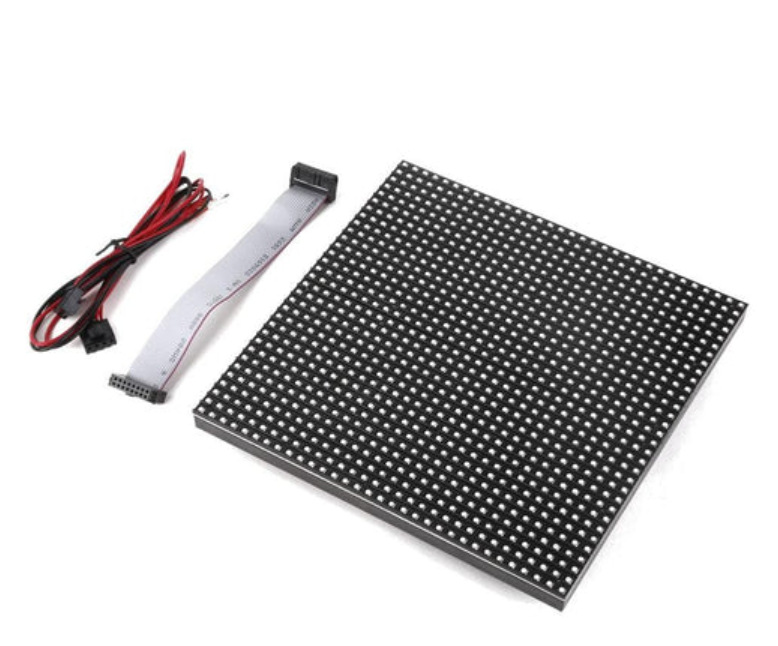
An LED array refers to the integration of multiple LED chips on a single substrate to form an overall light source unit. Compared with individual LEDs, LED arrays have higher light output power, a more compact structure and a more flexible optical design. Its structure usually includes LED chips, substrates, packaging materials, leads, etc.
The selection of LED chips determines the spectral characteristics, luminous efficacy and lifespan of the array. The substrate material needs to have good thermal conductivity to ensure the heat dissipation of the chip.
The packaging materials need to have high light transmittance and good protective performance. The leads are responsible for connecting the chip to the external circuit.
Key points of LED array design
The design of LED arrays needs to take into account multiple key factors to ensure their performance and reliability.
Chip selection: Choosing the right LED chip is of vital importance. Parameters such as the luminous efficacy, color temperature, color rendering index and lifespan of the chip need to be considered, and the appropriate type of chip, such as high-brightness chips and high-power chips, should be selected based on the application scenario.
Substrate design: The selection of substrate materials directly affects the heat dissipation performance of the LED array. Commonly used substrate materials include metal substrates (such as aluminum and copper) and ceramic substrates. Metal substrates have good thermal conductivity, but their cost is relatively high. Ceramic substrates have good insulation performance and high-temperature resistance, but their thermal conductivity is slightly inferior to that of metal substrates. The design of the substrate also needs to take into account the arrangement of the chips and the design of the heat dissipation structure.
Packaging design: The selection of packaging materials needs to take into account factors such as light transmittance, weather resistance, and heat resistance. Commonly used packaging materials include epoxy resin, silicone, etc. The packaging design also needs to take into account the design of optical lenses to control the Angle and uniformity of the light beam.
Thermal management: LED arrays generate a large amount of heat during operation. Effective thermal management is crucial for extending the lifespan of LED arrays. Common heat dissipation methods include passive heat dissipation and active heat dissipation. Passive heat dissipation mainly relies on heat sinks and good air circulation for heat dissipation. Active cooling requires the use of active cooling devices such as fans.
Optical design: Optical design is crucial for controlling the light output characteristics of LED arrays. By designing appropriate optical components such as lenses and reflectors, parameters like the Angle, uniformity and chromaticity of the light beam can be controlled.
Application scenarios of LED arrays
LED arrays, with their high power, high brightness and flexible optical design, have demonstrated great application potential in many fields:
High-power lighting: In places such as sports venues and large commercial buildings, where high-brightness and long-distance lighting are required, LED arrays are the ideal choice.
Special lighting: In fields such as stage lighting, automotive lighting, and projection display, LED arrays can provide light output of specific colors and beam angles, meeting special lighting requirements.
Plant lighting: LED arrays can provide light of specific wavelengths to promote plant growth.
Medical lighting: LED arrays can provide safe light sources free of ultraviolet and infrared rays, and are used in operating rooms, consultation rooms and other places.
The future development trend of LED arrays
With the continuous development of LED technology, LED array technology will also develop in the following directions:
Higher luminous efficiency: Develop LED chips with higher luminous efficiency to enhance the energy utilization efficiency of LED arrays.
Smaller size: By adopting more advanced packaging technology, the size of the LED array is reduced and the integration degree is enhanced.
More flexible optical design: Develop more advanced optical design technologies to achieve more precise beam control.
More intelligent control: Integrated intelligent control functions to achieve remote control, dimming, fault diagnosis and other functions.
Summary
LED array technology is an important innovation in the field of LED lighting.
It features high power, high brightness, flexible optical design and other advantages, and has broad application prospects in high-power lighting, special lighting and other fields. With the continuous advancement of technology, LED arrays will develop in a more efficient, intelligent and flexible direction, bringing more possibilities to the lighting industry.
In the future, more precise thermal management, more advanced packaging technology and more intelligent control systems will further enhance the performance and application scope of LED arrays, promoting the continuous development of LED lighting technology.