
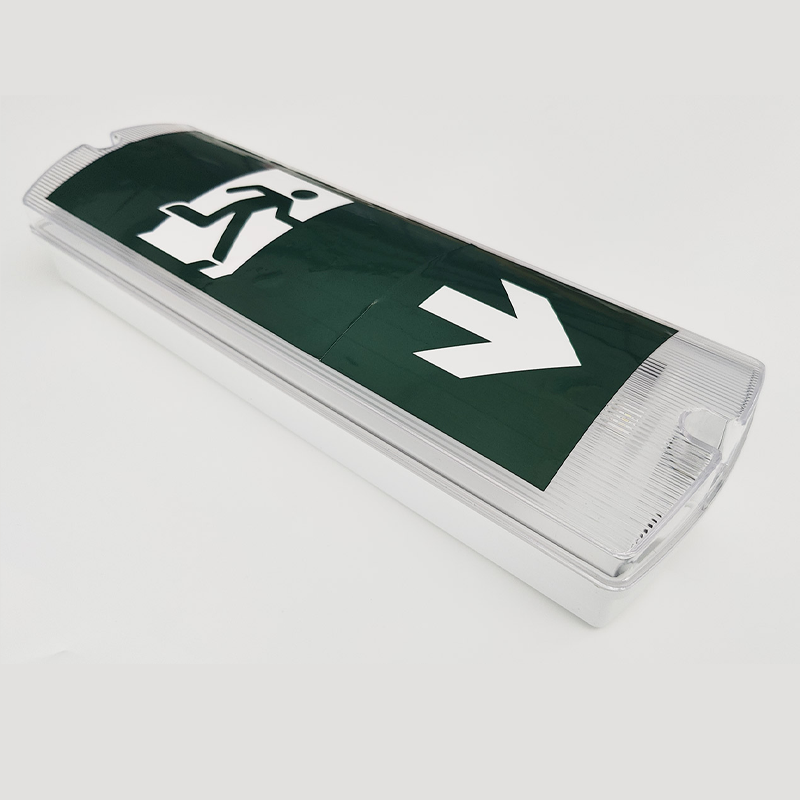
When safety is on the line, lighting is not just an accessory — it’s a lifeline. LED Emergency Bulkhead Lights 3 Hour Backup systems are now a key requirement for UK commercial buildings. Whether it’s a sudden power cut, a fire evacuation, or routine compliance with UK safety regulations, these lights ensure that staff, customers, and visitors can safely exit the premises.
In this guide, we’ll explore what makes these lights essential, their compliance requirements, installation tips, cost considerations, and how to choose the right model for your building.
Why LED Emergency Bulkhead Lights Matter
When an emergency strikes, the last thing anyone should worry about is navigating in the dark. Bulkhead lights are designed to provide durable, weather-resistant, and long-lasting illumination — even in tough environments like stairwells, car parks, corridors, and outdoor walkways.
Benefits at a Glance:
- Reliable Power Backup: Up to 3 hours of illumination during a power outage.
- Energy Efficiency: LED technology consumes less electricity while delivering brighter light.
- Compliance with UK Standards: Meets BS 5266-1 and EN 60598-2-22 requirements.
- Low Maintenance: Long LED lifespan reduces replacement frequency.
- Weather Resistance: IP65-rated models withstand outdoor conditions.
Understanding the 3-Hour Backup Feature
The 3-hour battery backup is one of the most important features of modern emergency bulkhead lighting. Under UK fire safety regulations, emergency lighting should last long enough for safe evacuation and to assist emergency services.
Why 3 hours?
- It provides extended lighting during prolonged outages.
- Ensures compliance for larger commercial buildings where evacuation may take longer.
- Gives facilities teams enough time to restore power or implement safety measures.
Key Components:
- Rechargeable Battery Pack – Stores enough energy for three hours of illumination.
- Automatic Switching – Instantly activates the emergency mode when mains power fails.
- LED Array – Energy-efficient and bright without draining the backup battery quickly.
UK Regulatory Requirements
If you own or manage a UK commercial building, emergency lighting isn’t optional — it’s a legal requirement.
Relevant UK Regulations:
- BS 5266-1: Specifies emergency lighting design, installation, and testing.
- Regulatory Reform (Fire Safety) Order 2005: Requires adequate emergency routes and exits to be illuminated.
- EN 60598-2-22: Safety requirements for emergency luminaires.
Tip: Always ensure your chosen product has certification and complies with these standards. You can check guidance from the UK Health and Safety Executive (HSE) and the Fire Industry Association.
Types of LED Emergency Bulkhead Lights
Not all bulkhead lights are the same. Depending on the building layout and requirements, you might choose from:
1. Maintained Bulkhead Lights
- Operate as standard lighting when mains power is available.
- Automatically switch to battery backup during a power failure.
- Suitable for areas that need constant illumination.
2. Non-Maintained Bulkhead Lights
- Only activate when mains power fails.
- Ideal for areas where normal lighting is provided by other sources.
3. Sustained Bulkhead Lights
- Use separate lamps for mains and emergency operation.
- Provide maximum flexibility for mixed-use spaces.
Installation Best Practices
Proper installation ensures both safety and compliance.
Checklist:
- Mount Height: Typically 2–2.5 meters from the floor for optimal light coverage.
- Wiring: Use fire-resistant cables where required.
- Testing Points: Install test switches for routine checks.
- Signage: Pair with emergency exit signs for clear evacuation guidance.
It’s recommended to hire a qualified electrician familiar with UK emergency lighting standards.
Maintenance & Testing Requirements
UK law requires that emergency lighting be tested regularly:
- Monthly Functional Test: Check that each light works by briefly simulating a power cut.
- Annual Full Duration Test: Ensure the battery can last the full 3-hour period.
- Record Keeping: Maintain logs of all tests for compliance audits.
Resource: See the BSI Guidance on BS 5266 for full details.
Energy Efficiency & Cost Savings
While initial costs may be higher than older fluorescent models, LED emergency bulkhead lights with 3-hour backup offer significant savings over time:
- Lower Energy Bills: LEDs use up to 70% less energy.
- Reduced Maintenance: Fewer replacements mean lower labor costs.
- Longer Lifespan: LEDs can last up to 50,000 hours.
How to Choose the Right Model
When selecting your bulkhead lights, consider:
- IP Rating: IP65 for outdoor use, IP44 for indoor.
- Lumen Output: Higher lumens for large open spaces.
- Battery Type: NiMH or LiFePO4 for long life and fast charging.
- Warranty: Look for at least a 3-year guarantee.
Real-World Use Cases
- Shopping Centres: Backup lighting in underground car parks.
- Office Buildings: Corridor and stairwell illumination.
- Hospitals: Critical for patient evacuation.
- Warehouses: Maintains safety in large, high-ceiling spaces.
External & Internal Resources
- External: UK Government Fire Safety Guidance
- Internal:
/blog/uk-fire-safety-emergency-lightingand/products/emergency-lighting-ip65
Conclusion
LED Emergency Bulkhead Lights 3 Hour Backup Systems are an essential investment for any UK commercial building. They protect lives, meet legal obligations, and offer long-term cost savings. By choosing a compliant, high-quality model and maintaining it properly, you ensure your building stays safe and operational in any emergency.


