
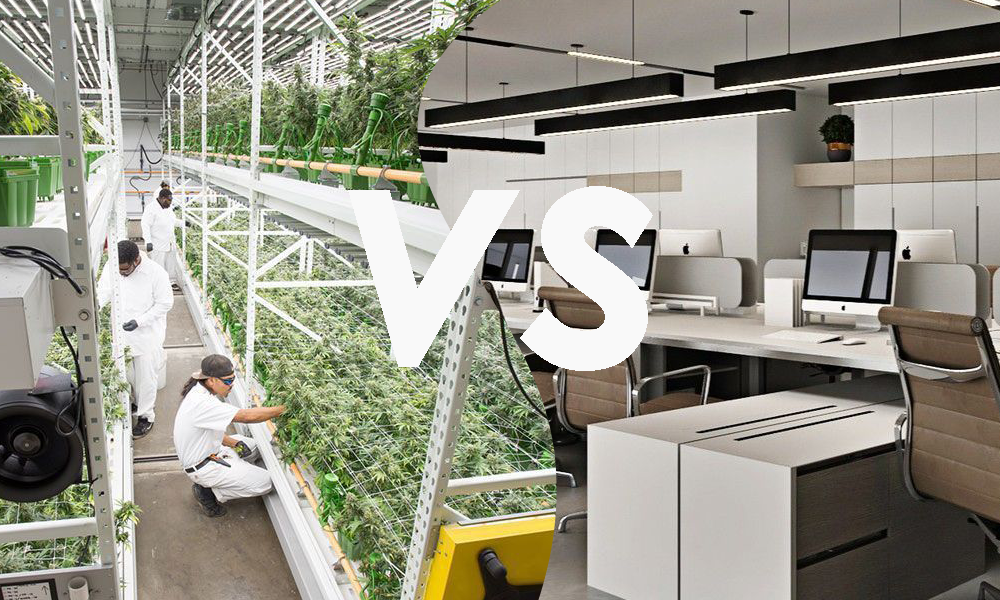
The fundamental difference between LED Grow lights and Regular light lies in their “Dedicated Spectrum”: the red and blue light combination, like a precise nutritional meal, boosts photosynthesis efficiency by 3x. However, white light provides only 20% utilization of light energy. Scientific studies have proven that the plant lights will shorten the growth cycle by 30%, resulting in greener leaves and sweeter fruits from balcony pothos to greenhouse tomatoes. The Green Revolution is indoor gardening with an artificial sun.
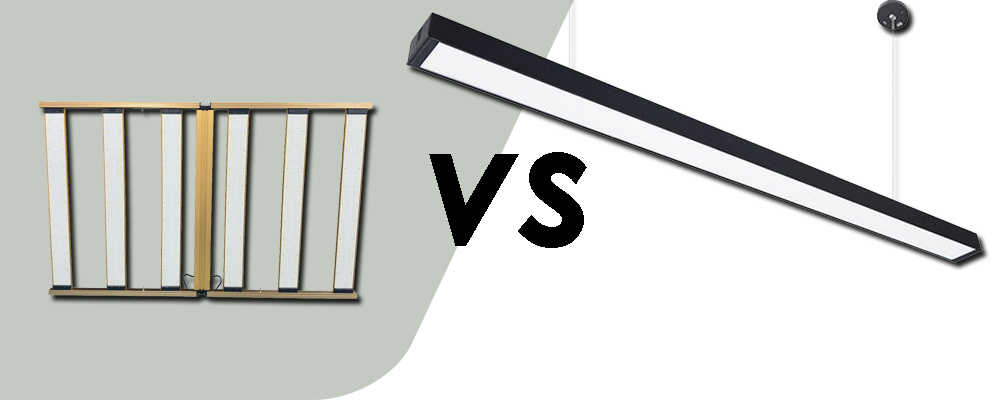
In our modern urban life, there are many people who are increasingly enthusiastic about indoor planting, including flowers, vegetables, and small-scale ecological gardens. Especially in large cities such as LA, London, and Paris, where space is limited and sunlight exposure is often insufficient, the concept of “LED Grow Lights” has gradually entered thousands of households. In the meantime, for many gardening enthusiasts, it is not easy to tell the difference between the LED Grow Lights and the regular lamps like LED desk lights and fluorescent lights we use every day. They emit light. But why can’t they be simply interchangeable?
Spectrum Differences: The “Exclusive Menu” for Plants vs. Universal Lighting for Humans
Light is not just a single white color; it is a spectrum composed of electromagnetic waves of different wavelengths, much like a rainbow that includes red, orange, yellow, green, blue, indigo, and violet. Sunlight is the natural “nutrient source” for plants, covering the visible light range from 380nm to 780nm. Among these, blue light (400-500nm) and red light (600-700nm) are the most prominent, serving as the “main drivers” of photosynthesis. Photosynthesis is the process by which plants convert light energy into chemical energy, requiring these specific wavelengths of light to excite pigments like chlorophyll.
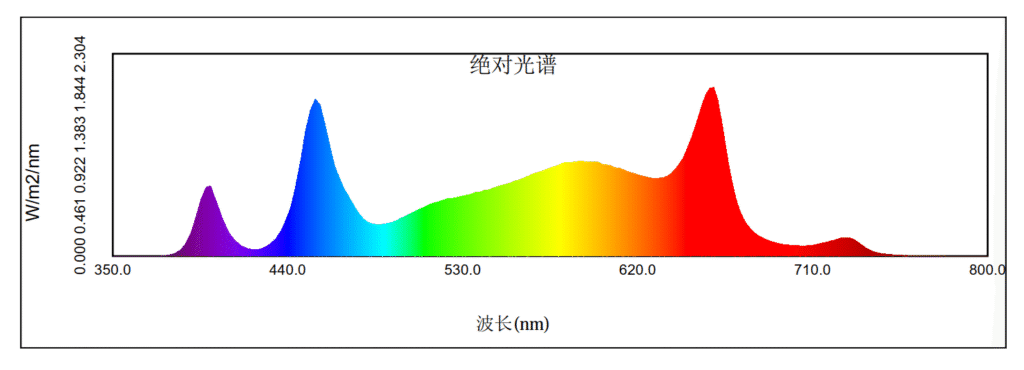
LED grow lights are essentially “artificial suns” designed based on this principle. They focus on the specific spectrum needed by plants, usually using a red-blue light combination or full-spectrum modes. The typical red-to-blue ratio is around 4:1 or 5:1. Blue light promotes leaf growth and root development, while red light stimulates flowering, fruiting, and stem elongation. For example, in southern greenhouses, farmers often use plant lights with a 7:3 red-blue ratio to accelerate vegetable growth and prevent leggy, fragile stems caused by insufficient winter sunlight. Full-spectrum plant lights are even closer to sunlight, covering 400-720nm (excluding the green peak, as plants reflect green light, making absorption less efficient), allowing indoor plants to develop as they would outdoors.
In contrast, ordinary lamps have a “spectral menu” more aligned with human visual needs. Daily LED or fluorescent lamps emit a fairly uniform spectrum, emphasizing white light (color temperature 2700K-6500K), with a high proportion of green and yellow light to provide comfortable illumination and a high color rendering index (CRI > 80). These lights are designed for the eyes: warm white creates a cozy atmosphere, while cool white enhances work efficiency. However, for plants, this spectrum is “nutritionally imbalanced.” Green light, although it penetrates leaves, has low absorption; yellow light is almost ineffective, leading to wasted energy. Data shows that using regular lamps for supplemental lighting results in only 20%-30% of the light energy being absorbed by plants, whereas LED Grow lights can achieve over 70% efficiency. It’s like feeding an adult meal to a child—feasible for satiety but lacking proper nutrition.
This spectral difference is evident in real-world applications. For example, many apartment balcony gardeners in London use regular desk lamps to supplement light for pothos, but they often find the leaves turn yellow and growth slows down due to a lack of sufficient red and blue light to activate photosynthesis. Switching to a plant light makes the leaves quickly turn green, and roots develop more vigorously. This is not a coincidence but a demonstration of scientific principles.
2. Uses and Design: Growth “Accelerator” vs. Living “Lighting.”
While the basis is the spectrum, design extends to purpose. From their inception, plant lights and ordinary lamps serve different “battlefields.” Plant lights are specialized tools in horticulture, designed to simulate natural light environments and address issues like insufficient sunlight and seasonal changes. They focus not on dazzling brightness but on photosynthetically active radiation (PAR) and photosynthetic photon flux density (PPFD). PAR refers to the effective light within 400-700nm, while PPFD measures the number of photons per unit area (μmol/m²/s). High-quality plant lights typically have PPFD values between 200-1000 μmol/m²/s, adjusted according to plant type: leafy greens need 300-500, fruiting vegetables require over 600.
In design, plant lights often use LED chips because LEDs can precisely control wavelengths and produce low heat (<45°C), preventing leaf burns. The industry offers many smart options, such as app-controlled light cycles (e.g., 16 hours of red-blue light during the day and 8 hours of darkness to simulate day-night cycles). They come in various forms: strip lights for shelves, panel lights for greenhouses, and pendant lights for living rooms. They are waterproof (IP65 and above) and suitable for humid environments like bathrooms or kitchens.
Ordinary lamps are more like “jack-of-all-trades,” focusing on comfort and decoration. Their brightness is measured in lumens (lm), aiming to illuminate spaces (200-500 lx for indoor lighting). LED ordinary lamps are compact and turn on instantly, with low heat (better than incandescent bulbs), but they are not optimized for plants. Some have adjustable color temperatures, but their wavelength distribution is scattered, unable to provide stable PAR values. Using them for plant supplementation results in reduced effectiveness: plants may survive temporarily, but growth cycles extend by 20%-30%, and yields decrease.
3. Energy Efficiency and Lifespan: The Energy-Saving “Expert” vs. Practical “Veteran.”
In the current American push for green living, energy efficiency is a key criterion for choosing lamps. Plant lights excel here, with high optical conversion efficiency (LED Grow lights achieve 2.5-3.5 μmol/J). For every kilowatt-hour (kWh), a plant light can produce 1.5 times more effective photons than a regular lamp, reducing carbon emissions. Their low heat dissipation saves costs and suits sealed spaces like smart greenhouse setups.
Although ordinary LED lamps have improved (up to 100 lm/W), they waste a lot of energy when used for plant lighting: excess green and yellow light converts to heat, and actual utilization is only 30%-40%. Over a year, using regular lamps for supplemental lighting can increase electricity costs by 20%-50%. Moreover, plant lights last longer (20,000-50,000 hours) due to the focus on single wavelengths, which slows chip aging; regular lamps, though also durable (10,000-30,000 hours), may have shorter lifespans because of flickering and heat buildup.
For example, in LA, a homeowner growing succulents with a plant light spends only 50 USD annually on electricity, and the fixture lasts 5 years; replacing it with a regular lamp doubles the electricity bill, and plants may require extra cooling measures. In the long run, the investment in plant lighting offers higher returns, especially under China’s “dual carbon” goals, supporting low-carbon household gardening.
Theories are great, but practical tests prove the effectiveness of plant lights in agriculture and home scenarios. In Shanghai, plant factories using plant lights increased lettuce yields by 30%, reduced nitrate content by 20%, and improved quality. At the household level, a Beijing community resident reported that using plant lights to grow pothos raised the survival rate from 70% to 95%, with flowering extended by a week.
4. Actual Results: “Growth Miracles” from Lab to Balcony
Regular lamps, although useful for emergency short-term lighting, have limited effects: their mismatched spectrum causes plants to become “subhealthy,” with weak stems and easy lodging. Experiments show that after three months of supplementing with fluorescent lamps, plants only achieve 60% of the biomass compared to those under plant lights. More importantly, plant lights can regulate growth stages: blue light promotes lush leaves, while red light encourages flowering and fruiting.
Of course, results depend on proper use. In rainy southern regions, plant lights help prevent mold; in dry northern areas, they promote root absorption. They are not a “cure-all” but a precise supplement to light.
5. Common Misconceptions and Scientific Shopping Tips
Despite their advantages, many still mistakenly think “brightness is all that matters.”
Myth 1: Adding a filter to ordinary lamps can turn them into plant lights? No, because wavelengths cannot be changed this way.
Myth 2: Are all LED lamps suitable for plants? Not necessarily; check the PPFD values.
When shopping, prioritize full-spectrum (sun-like) lights with power between 800-1200W for agricultural use. Budget options range from 100-500 USD, suitable for entry-level strip lights.
In essence, the difference between LED grow lights and ordinary lamps boils down to “custom” versus “general”: the former offers a “tailored spectrum” for plant growth, while the latter is a “universal tool” for human illumination. Under the principles of photosynthesis, plant lights utilize precise red-blue spectra, energy-efficient designs, and high effectiveness to revolutionize indoor gardening. In today’s rapidly urbanizing world, they are not just technological products but bridges connecting people with nature. Whether you’re a balcony novice or a greenhouse farmer, trying a plant light can reveal that a single lamp can bring more vitality into your home!
How to install the LED Grow Lights:
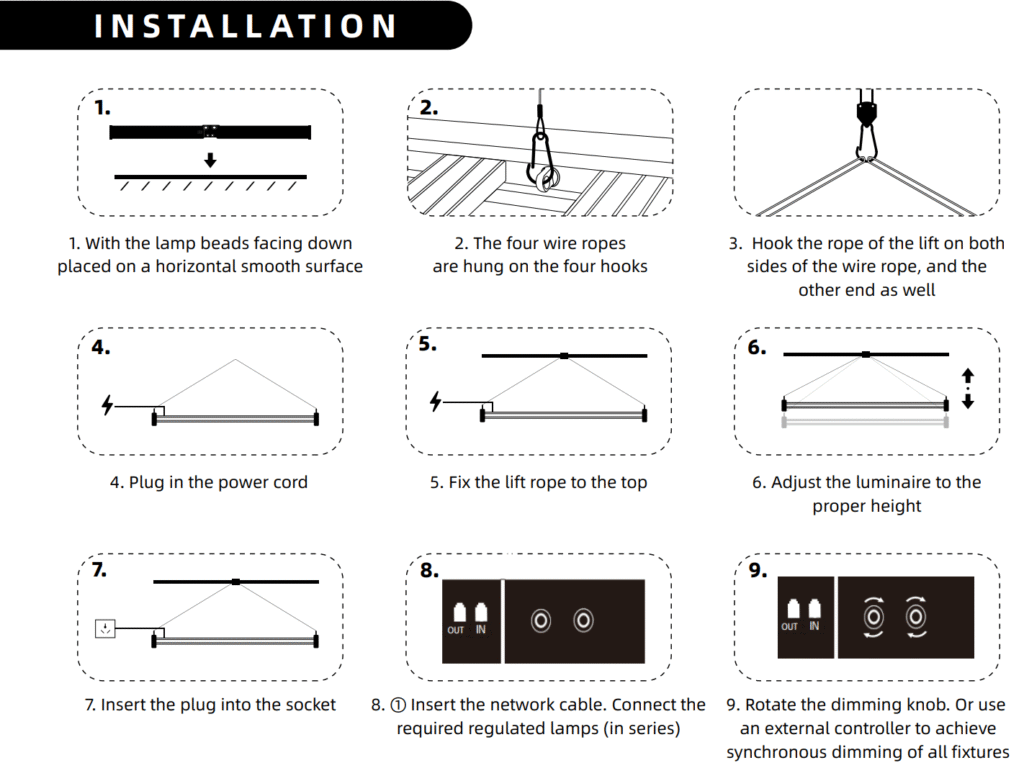
Are you ready to take your indoor gardening to the next level? Spacelux LED Grow Light is designed to provide your plants with the perfect spectrum for healthy growth, faster flowering, and higher yields. Whether you’re a hobbyist or a professional cultivator, our advanced lighting solutions will help you achieve outstanding results effortlessly.
Don’t wait to transform your indoor garden into a lush, vibrant paradise! Contact me today to learn more about our products or to place an order.
Email: avicii.zyu@spaceluxnova.com
WhatsApp: 159 1407 7626
Let’s grow together with SPACELUX!


