The Importance of Sealing LED Lamps
The reliable operation of LED lamps depends on the effective protection of their internal components.
Harsh environmental factors, such as dust, moisture, and corrosive gases, can significantly impact the performance and lifespan of LED lamps.
Therefore, the sealing of LED lamps is of vital importance.
Effective sealing can prevent dust, moisture, and other substances from entering the lamp’s interior, protecting the internal circuits and LED chips, extending the lamp’s service life, and ensuring its safe and reliable operation.
Poor sealing may lead to problems such as short circuits, leakage, light attenuation, and even cause safety accidents.
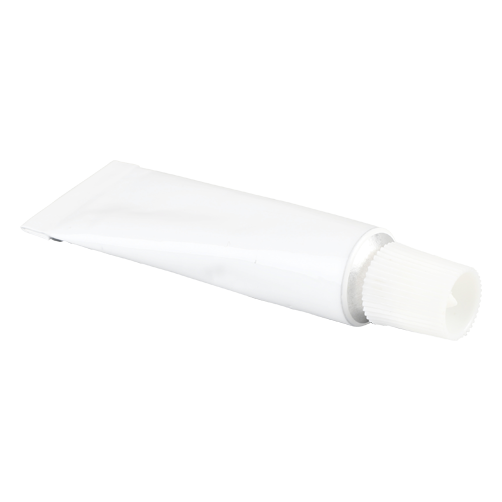
Types and characteristics of sealants for LED lamps
There are many types of sealants for LED lamps. Commonly used ones include:
Silicone rubber sealant: It features excellent elasticity, weather resistance and temperature resistance, and is widely used for sealing various LED lamps. Its advantages and disadvantages are: excellent weather resistance and temperature resistance, but the curing time is relatively long and the cost is relatively high.
Polyurethane sealant: It features high strength, high adhesion and good water resistance, making it suitable for applications that require high-strength adhesion. Its advantages and disadvantages are: high bonding strength, but relatively poor elasticity, and inferior weather resistance compared to silicone rubber.
Acrylic sealant: It features a fast curing speed, high bonding strength, and relatively low cost, making it suitable for applications requiring quick installation. Its advantages and disadvantages are: fast curing speed and low cost, but relatively poor weather resistance and temperature resistance.
Epoxy resin sealant: It features excellent insulation and chemical corrosion resistance, making it suitable for applications that require high insulation and corrosion resistance. Its advantages and disadvantages are: good insulation performance, strong corrosion resistance, but poor toughness and high construction difficulty.
Selection principles of sealant
When choosing sealant for LED lamps, the following factors need to be considered
Application environment: Different environments have different requirements for the weather resistance, temperature resistance, chemical corrosion resistance and other properties of sealants.
Types of lamps: Different types of lamps have different requirements for the bonding strength, elasticity and other properties of the sealant.
Technical requirements: For instance, some special applications may require sealants with specific properties, such as UV resistance and high-pressure resistance.
Cost: The cost of sealant is also an important factor to consider.
Performance testing and evaluation of sealants
To ensure the quality and reliability of the sealant, a series of performance tests needs to be conducted, such as:
Weather resistance test: Simulate the actual usage environment to test the performance of the sealant under different climatic conditions.
Temperature resistance test: Test the performance of the sealant at different temperatures.
Bonding strength test: Test the bonding strength between the sealant and the materials to be bonded.
Waterproof performance test: Test the waterproof performance of the sealant.
The development trends of sealants for LED lamps in the future
The future development trends of sealants for LED lamps will move in the following directions:
Environmental protection: Develop more environmentally friendly and safer sealant materials.
High performance: Enhance the weather resistance, temperature resistance, bonding strength and other properties of the sealant.
Intelligentization: Develop intelligent sealants with self-healing functions.
In conclusion, choosing and using the right sealant is crucial for the reliability and lifespan of LED lamps. Only by choosing the appropriate sealant and carrying out the correct construction can LED lamps be effectively protected, their service life be prolonged, and their safe and reliable operation be ensured.