In the dynamic world of LED technology, the LED Reflector Cup for Efficient Lighting stands out as a small yet mighty innovation. Often overlooked, this simple component plays a crucial role in defining the brightness, direction, and quality of LED illumination.
Whether it’s the focused beam of a car headlight, the warm ambience of indoor spotlights, or the dazzling clarity of outdoor floodlights — LED reflector cups are the unsung heroes shaping modern lighting experiences.
In this guide, we’ll explore the science, benefits, features, and applications of LED reflector cups — and why they’re the “magical component” that transforms ordinary LEDs into extraordinary lighting systems.
What Is an LED Reflector Cup?
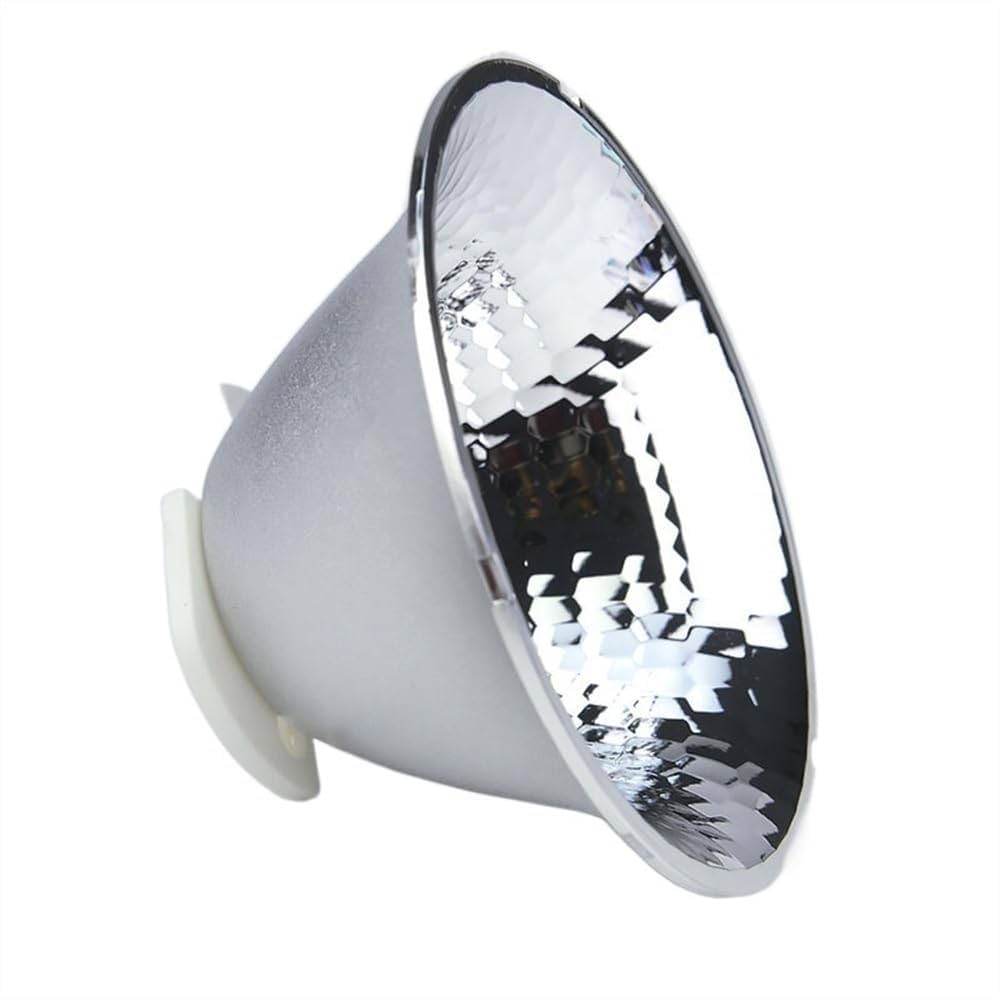
An LED reflector cup is a specially designed reflective housing or cavity that surrounds an LED light source. Its primary job is to redirect and focus the emitted light into a specific beam angle, maximizing brightness and improving energy efficiency.
Unlike simple diffusers, a reflector cup uses optical geometry and surface coatings to manipulate how light travels, producing a more concentrated and controlled output.
Key Characteristics:
- Material: Typically made from aluminum, polycarbonate (PC), or high-reflectivity plastic.
- Shape: Parabolic, elliptical, or conical designs based on beam requirements.
- Surface Treatment: Mirror-like coatings for higher reflectivity (90–98%).
- Function: Converts scattered LED light into a uniform and directional beam.
In essence, it’s like the “lens of a flashlight,” ensuring that light goes exactly where it’s needed — efficiently and beautifully.
How the LED Reflector Cup Works
To understand the magic of the LED Reflector Cup for Efficient Lighting, imagine how sunlight reflects off a mirror — the light becomes more focused and intense. The reflector cup works on the same optical principle: reflection and redirection.
The Working Mechanism:
- Light Emission: The LED chip emits light in all directions.
- Light Reflection: The reflector cup’s curved inner surface captures stray light rays.
- Light Focusing: The reflected rays are redirected into a specific beam angle (e.g., 15°, 30°, or 60°).
- Light Output: The result is a bright, uniform, and energy-efficient beam.
This optical engineering not only improves brightness but also reduces light loss — meaning more light reaches the target area without additional power consumption.
1. Enhanced Light Efficiency
The most immediate benefit of the LED Reflector Cup for Efficient Lighting is its ability to boost luminous efficiency. By controlling the direction of light, reflector cups ensure that less light is wasted.
Efficiency Benefits:
- Up to 30% higher brightness using the same LED power input.
- Reduced light scattering, improving visibility and contrast.
- Lower power requirements for equivalent luminance.
💡 Fact: A well-designed aluminum reflector cup can achieve a reflectivity of up to 98%, translating into brighter illumination with minimal energy loss.
2. Precise Beam Control
Beam control is vital in lighting design — especially in spotlights, downlights, and automotive applications. The LED Reflector Cup for Efficient Lighting allows engineers to customize beam angles from narrow spot beams (10°–20°) to wide floods (60°–120°).
Applications of Beam Control:
- Spotlighting: For art galleries, showrooms, and retail lighting.
- Floodlighting: For outdoor or stage illumination.
- Task lighting: Focused light for reading, workstations, or industrial settings.
This control ensures the right amount of light reaches the right place, reducing energy waste and improving user comfort.
3. Improved Aesthetic and Uniformity
Uneven lighting and glare are common issues in basic LED setups. The LED Reflector Cup for Efficient Lighting solves this by distributing light evenly, enhancing the visual appeal and creating a professional-grade finish.
Aesthetic Advantages:
- No glare or dark spots — smoother visual output.
- Uniform color temperature across the illuminated area.
- Sleek, high-end look — especially when paired with lens optics.
For architects and designers, this uniformity means better control over mood, ambience, and light harmony in interior or exterior environments.
4. Cost-Effective Lighting Solution
Despite its advanced optical function, the LED Reflector Cup for Efficient Lighting is surprisingly affordable. This makes it an essential component in cost-conscious lighting systems.
Cost-Saving Factors:
- Fewer LEDs are needed to achieve the same brightness.
- Reduced energy bills due to optimized light output.
- Lower maintenance costs — reflector cups have long lifespans.
- Simplified fixture design, reducing manufacturing expenses.
Businesses that switch to reflector-equipped LED systems often see a payback period of less than a year due to energy savings.
5. Wide Range of Materials and Designs
Reflector cups aren’t “one-size-fits-all.” Depending on the application, manufacturers use different materials, shapes, and coatings to achieve desired optical effects.
Popular Types of LED Reflector Cups:
| Material | Features | Applications |
|---|---|---|
| Aluminum | High heat resistance, reflective up to 98% | Automotive, industrial |
| PC (Polycarbonate) | Lightweight, customizable, UV-resistant | Indoor lighting, signage |
| Plastic with Vacuum Coating | Cost-effective and durable | Consumer lighting |
| Glass-coated Reflectors | Superior optics and longevity | Professional lighting systems |
Design customization extends to beam control, texture (smooth or matte), and surface finish, making LRCs adaptable across all lighting markets.
6. Better Thermal Management
Efficient lighting isn’t just about brightness — it’s also about heat control. The LED Reflector Cup for Efficient Lighting contributes to thermal management by reflecting light away from the LED junction and helping maintain stable operating temperatures.
Thermal Advantages:
- Reduced LED heat buildup, extending LED lifespan.
- Stable lumen output, even under prolonged operation.
- Improved safety in enclosed fixtures.
Many modern reflector cups integrate aluminum or heat-dissipative materials that help LEDs perform at peak efficiency without overheating.
7. Versatile Applications Across Industries
The LED Reflector Cup for Efficient Lighting is used in almost every lighting segment today. Its versatility and performance make it indispensable in various fields:
Common Applications:
- Automotive Headlights: Precision beam shaping for safety.
- Street and Tunnel Lights: Directs light efficiently onto roads.
- Stage and Studio Lighting: Focused beams with adjustable diffusion.
- Home Lighting: Energy-saving downlights, track lights, and spotlights.
- Display and Retail Lighting: Highlights products and visual displays.
- Medical Equipment: Used in examination lamps for precise illumination.
Each application benefits from improved brightness, reduced glare, and enhanced focus.
8. Long-Term Reliability and Durability
Durability is key in modern lighting design. The LED Reflector Cup for Efficient Lighting offers long-term stability in both optical and physical properties.
Durability Features:
- Resistant to corrosion and UV degradation.
- Maintains high reflectivity over time.
- Tolerates temperature variations (-40°C to +120°C).
- Does not yellow or deform easily.
This longevity ensures consistent light performance and minimal maintenance costs over the product’s lifetime.
9. Easy Integration and Customization
Manufacturers appreciate the LED Reflector Cup for Efficient Lighting because it’s easy to integrate into different LED packages and housing designs.
Customization Options:
- Varied beam angles (narrow, medium, wide).
- Different reflective coatings: Silver, aluminum, vacuum metalized.
- Custom geometries for specific brand or product requirements.
The flexibility of design helps OEMs (Original Equipment Manufacturers) optimize light distribution for unique lighting scenarios — from household lamps to industrial floodlights.
Technical Parameters of LED Reflector Cups
| Parameter | Typical Range | Description |
|---|---|---|
| Reflectivity | 90–98% | Higher reflectivity means better light output |
| Beam Angle | 10°–120° | Determines light spread pattern |
| Material | Aluminum, PC, or plastic | Chosen for optical and thermal needs |
| Working Temperature | -40°C to +120°C | Suitable for harsh conditions |
| Surface Treatment | Polished, anodized, or vacuum-coated | Affects brightness and durability |
The Science Behind Reflectivity
Reflectivity is the measure of how much incident light is bounced back by the reflector cup. The higher the reflectivity, the brighter and more efficient the light output.
Reflective Coatings Commonly Used:
- Aluminum Vacuum Coating: Durable and cost-effective.
- Silver Coating: Superior reflectance but prone to tarnish.
- Enhanced Dielectric Coatings: Provide stability and color accuracy.
The precise choice of coating impacts not just light intensity but also color rendering index (CRI) and beam quality — both crucial for premium lighting systems.
Environmental and Energy Benefits
By improving light direction and reducing energy waste, LED Reflector Cups for Efficient Lighting contribute significantly to environmental sustainability.
Eco-Friendly Benefits:
- Lower energy consumption: Less wattage needed for equal brightness.
- Reduced CO₂ emissions: Ideal for green-certified buildings.
- Recyclable materials: Many reflector cups use eco-safe plastics or metals.
- Compatibility with low-voltage systems: Enhances safety and efficiency.
This makes reflector-equipped LED systems a cornerstone of eco-conscious lighting design.
Philips Lighting – Optical Components Overview
Conclusion
The LED Reflector Cup for Efficient Lighting might be small in size, but its impact is monumental. It transforms raw LED light into controlled, powerful, and aesthetically pleasing illumination, making lighting systems brighter, more efficient, and cost-effective.
From automotive safety to architectural design, the LED reflector cup proves that even the tiniest component can have a magical effect on performance. As LED technology continues to evolve, reflector design innovations will keep driving the world toward smarter, greener, and more efficient lighting solutions.