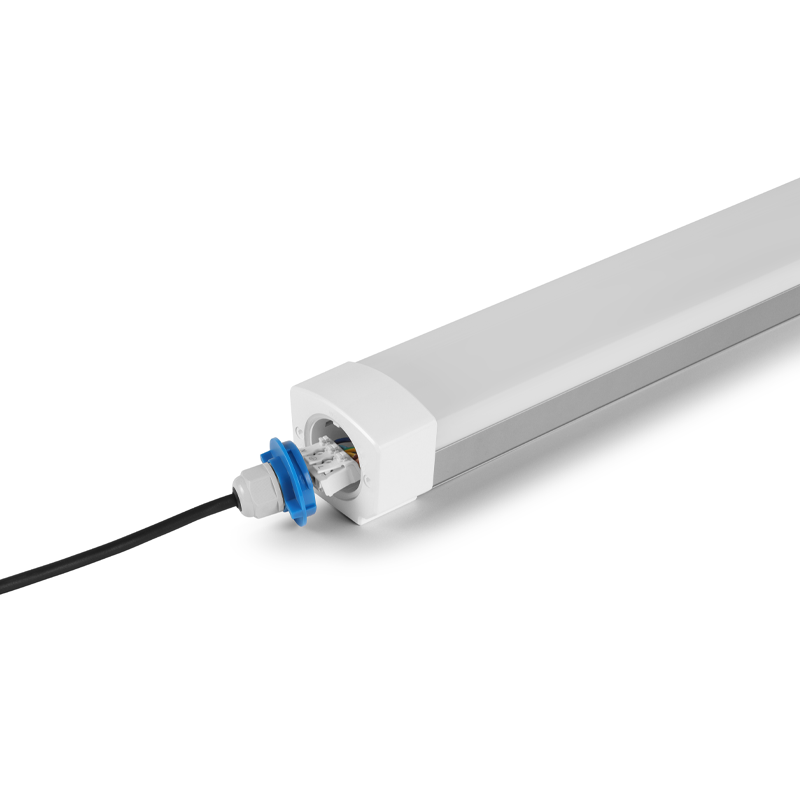
Enjoy peace of mind with 8 years warranty on livestock lighting. Ensure long-lasting, reliable lighting solutions for your farm with worry-free performance.
Modern animal husbandry has higher requirements for production efficiency and animal welfare. As an important environmental factor affecting the growth, reproduction and health of animals, the role of light has received increasing attention.
traditional way of animal husbandry and lighting, such as incandescent lamps and fluorescent lamps, there is high energy consumption, short service life, imperfect spectrum is imperfect and so on; it is hard to meet the demand of modern animal husbandry.
Therefore, livestock lamps with high efficiency, energy saving and controllable spectrum have emerged, and have been rapidly developed and widely used in recent years

Types and features of livestock lamps
Livestock lamps can be divided into a variety of types according to the type of light source, wavelength characteristics and installation methods

Sort by light source:
With high light efficiency, long life, low energy consumption, environmental protection, and other advantages, spectral adjustability can be customized according to the needs of different animals’ spectra.
However, the initial investment cost of LED livestock lamps is relatively high.
High-pressure sodium lamps:
They have relatively high luminous efficiency and a relatively low price, but they have a short lifespan and a relatively single spectrum, mainly concentrated in the yellow light area, which is not conducive to the growth and development of certain animals.
Metal halide lamps:
They have relatively good luminous efficacy and color rendering, but they consume more energy, have a shorter lifespan, and contain harmful substances such as mercury, causing certain pollution to the environment.
Sort by wavelength:
Red light: Promotes the growth and appetite of animals, improves feed conversion rate, and is often used to promote the growth of broilers.
Blue light: It enhances the alertness and activity of animals, promotes egg production, and is often used in laying hen farming.
Full-spectrum lamps: Simulating natural light, they more comprehensively meet the growth and development needs of animals, which is conducive to improving the health level and production performance of animals. However, the cost of full-spectrum lamps is relatively high.
By installation method classification: There are various installation methods for livestock lamps, including suspended type, wall-mounted type, and recessed type etc. The appropriate installation method should be selected based on the specific conditions of the livestock farm to ensure uniform lighting and safety, and reliability.
The impact of livestock lamps on animals
The lighting conditions of livestock lamps have a significant impact on the growth and development, reproductive performance, behavior and health of animals.
Growth and development: Appropriate light intensity and spectrum can promote the growth and development of animals, increase feed conversion rate and shorten the growth cycle.
For instance, research shows that red light exposure can promote the growth of broilers, increase their weight and pectoral muscle rate.
Insufficient light can cause animals to grow slowly and develop poorly.
Reproductive performance: Light has a significant impact on the reproductive performance of animals.
For instance, photoperiodic regulation technology can enhance the egg-laying rate of laying hens and prolong the peak egg-laying period.
The reasonable combination of light intensity and spectrum can increase the fertilization rate and pregnancy rate of animals.
Animal behavior and health: Light can affect the behavior and health of animals.
Sufficient light can increase the activity level of animals, enhance their immunity and reduce the occurrence of diseases. Insufficient light or excessive light intensity can cause stress responses in animals, reduce their immunity and increase the incidence of diseases. In addition, light can also affect animals’ sleep and rest, thereby influencing their growth and development as well as production performance.
For instance, appropriate weak light at night can reduce the stress response of animals.
The differences among different animals: Different species of animals have different requirements for light.
For instance, chickens are more sensitive to light, while pigs have a relatively lower demand for light.
Therefore, when choosing livestock lamps, it is necessary to make the selection based on the physiological characteristics and growth and development patterns of different animals.
Selection and Application of Livestock Lamps
When choosing the right livestock lamp, the following factors need to be considered
Animal species: Different animals have different requirements for light, and the corresponding spectrum and light intensity need to be selected.
Breeding scale: Large-scale breeding farms need to choose high-efficiency and high-power livestock lamps, while small-scale breeding farms can choose low-power livestock lamps.
Breeding environment: The environmental conditions of the breeding farm, such as temperature and humidity, can also affect the selection of livestock lamps.
Budget: The prices of livestock lamps vary greatly, so it is necessary to choose the appropriate lamps based on the actual budget.
The installation and maintenance of livestock lamps are also very important.
When installing, it is necessary to ensure uniform lighting and avoid blind spots.
Daily maintenance and upkeep include regular cleaning of lamps and replacement of damaged tubes, etc.
Choosing energy-saving and environmentally friendly livestock lamps can not only reduce the cost of breeding but also minimize environmental pollution, which is in line with the concept of sustainable development.
Future development trend
The future development trends of livestock lamps are mainly reflected in the following aspects:
Intelligent livestock lamps: By leveraging sensor technology and artificial intelligence technology, they achieve intelligent control of light, automatically adjusting the light intensity and spectrum based on the growth stages of animals and environmental conditions, thereby enhancing the efficiency of livestock breeding.
The application of Internet of Things (iot) technology in livestock lighting: Through iot technology, remote monitoring and data analysis of livestock lamps can be achieved, problems can be identified promptly and adjusted, and the management level of breeding can be improved.
New light source technology: Research and develop more efficient and environmentally friendly light sources, such as quantum dot LEDs, etc., to further reduce energy consumption and improve light efficiency.
Why choose SPACELUX Poultry Light?
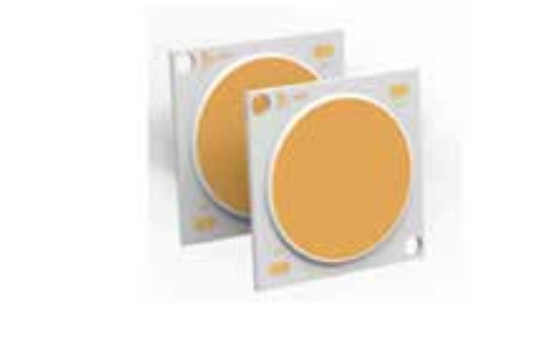
The result of 20 years of research and development , the military-to-civilian technology – fluorescent transparent ceramic core material has the advantages of high temperature resistance (with excellent luminescence thermal stability) , high thermal conductivity , high transmittance , corrosion resistance , high hardness , etc.
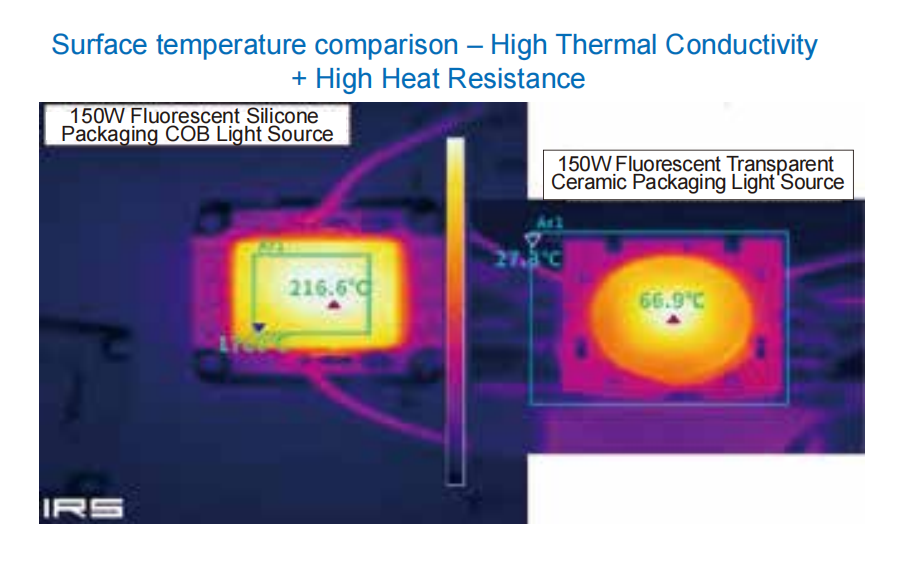
It can replace the traditional LED phosphor mixed silicone packaging and can solve the problem of easy failure of high-power light source packaging materials , thereby realizing high reliability , low light decay , long lifespan , and colorless drift of kilowatt-level small-area high-power-density LED/LD light sources.
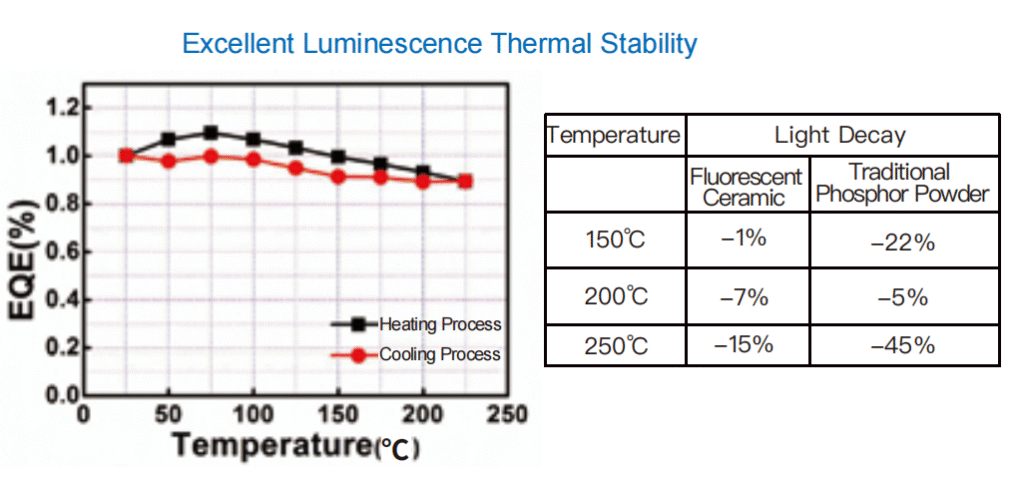
The core material can make sure that
1. Ultra-Long Lifespan & Energy Savings
>8-year lifespan (<5% light decay after 100 000 hours)
30%+ more energy-efficient than traditional LEDs
Stable performance even at 250℃ (No Performance Drop)
2. Waterproof & Anti-Corrosion
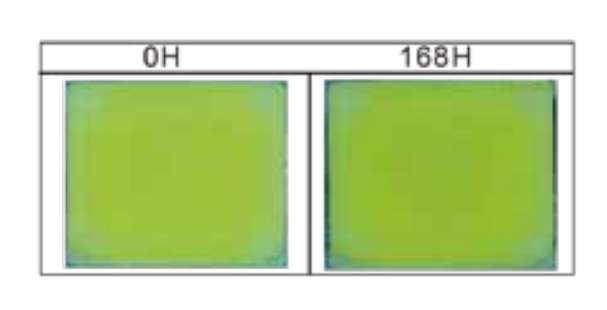
Unbreakable in harsh conditions—resists sulfur
ammonia and humidity!
(Tested: 90% humidity + 15ppm H₂S for 168 hours)
3. Rapid Heat Dissipation & Safety
Self-cooling tech lets the lamps continue to work in a better state
5x faster heat dissipation than traditional LEDs prevents overheating
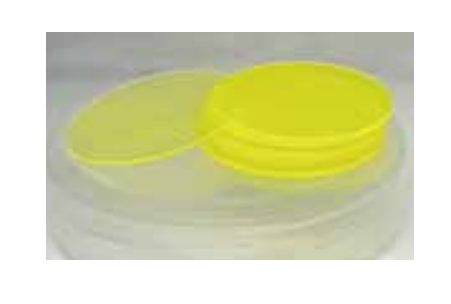
The outstanding performance of the core materials has fulfilled our commitment of an 8-year warranty for livestock lamps.
Summary:
Livestock lamps, as an important component of modern animal husbandry, play a significant role in enhancing animal production performance, improving animal welfare and reducing breeding costs.
With the continuous advancement of technology, livestock lamp technology will develop in the direction of intelligence, high efficiency and environmental protection, providing strong support for the sustainable development of animal husbandry.
In the future, more precise and intelligent livestock lighting systems will become an important driving force for the development of animal husbandry.
FAQ
Q: How long is the service life of your livestock lamps?
A: Our livestock lamps are equipped with high-quality LED chips and advanced heat dissipation designs, with an average lifespan of over 50,000 hours and an 8-year warranty, allowing you to use them with peace of mind.
Q: What spectral options do your livestock lamps have?
A: We offer a variety of spectral options, including full spectrum, red light, blue light, etc. You can choose the appropriate spectrum based on the growth stage and breeding needs of different animals to achieve the best breeding effect.
Q: How much energy does your livestock lamp consume?
A: Our livestock lamps adopt high-efficiency LED chips, with energy consumption far lower than traditional lighting methods. They can effectively reduce breeding costs and carbon emissions, meeting environmental protection requirements.
Q: How do you install and maintain your livestock lamps?
Answer: Our livestock lamps are easy to install and you can choose different installation methods according to your needs. Daily maintenance is also very simple. Just clean the lamps regularly.
Q: What is your warranty policy for livestock lamps?
Answer: We offer an 8-year warranty for all livestock lighting products