In the rapidly advancing world of LED technology, one of the most critical factors that determines the performance and longevity of light sources is their lumen maintenance rate. This is where LM-80 comes in—a key testing standard developed to assess the lumen maintenance of LED light sources over time.
LM-80 is widely used across the lighting industry as the standard for evaluating the long-term performance of LEDs. It helps manufacturers, designers, and consumers assess how well an LED will perform in terms of brightness maintenance over its operational life.
In this article, we will break down the essential aspects of the LM-80 test, its role in ensuring the durability of LED products, and how it serves as a critical indicator of LED lifespan.
What is LM-80?
LM-80 is a test standard developed by the Illumination Engineering Society of North America (IESNA) to determine the lumen maintenance of LED light sources. This test involves subjecting the LED to various operating conditions over extended periods to monitor its light output degradation. It provides manufacturers with the data necessary to predict how long an LED will continue to produce adequate light levels before it fades.
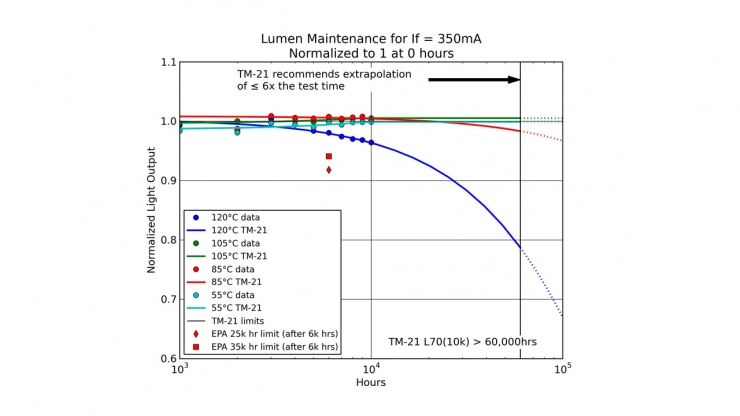
The test is typically carried out under specific temperature conditions (such as 55°C, 85°C, or room temperature) and is conducted for a minimum period of 6,000 hours. The data gathered during the LM-80 testing process is then used to estimate the lumen depreciation and determine the lifetime of the LED.
Key Indicators in LM-80 Testing
1. Lumen Maintenance Rate (L70)
One of the primary indicators measured during LM-80 testing is the lumen maintenance rate, often denoted as L70. The L70 rating refers to the point at which the LED’s light output has decreased to 70% of its original lumen output. This is a critical threshold used to estimate the useful lifespan of an LED product.
For example, if an LED is rated for L70 at 50,000 hours, it means the LED is expected to maintain at least 70% of its initial brightness for that duration. It helps manufacturers and consumers make more informed decisions about LED product reliability.
2. Temperature Conditions
LM-80 testing is conducted under various temperature conditions because temperature can significantly affect the performance and lifespan of LEDs. Manufacturers may test LEDs at multiple temperature points, such as 55°C, 85°C, or room temperature, to understand how the LED performs under different environmental conditions. These test results are crucial in determining how temperature fluctuations could impact the lumen maintenance rate.
3. Test Duration and Intervals
The LM-80 test runs for a minimum of 6,000 hours (about 250 days), but it is not unusual for testing to extend beyond this period, sometimes reaching 10,000 hours or more. The test is usually done in intervals, and manufacturers monitor the lumen depreciation at regular intervals to calculate how the LED light source will behave over time.
How LM-80 Impacts LED Product Reliability
1. Predicting Lifespan
LM-80 data is essential for predicting the lifetime of an LED light source. When combined with projected lumen maintenance curves, it helps manufacturers and consumers estimate how long an LED will provide sufficient brightness before it needs replacement.
This data is also essential for warranty periods, as manufacturers use it to determine how long they can confidently guarantee the product’s performance. As consumers demand longer-lasting, more efficient lighting solutions, LM-80 provides a reliable benchmark to ensure manufacturers meet these expectations.
2. Incorporating LM-80 in LED Certification
The LM-80 test is often a requirement for UL certification and other safety and performance standards. By following LM-80 guidelines, manufacturers ensure their products meet industry standards for efficacy, safety, and reliability.
Testing under LM-80 is also crucial for Energy Star certification for LED products. LEDs that pass the LM-80 test are more likely to qualify for energy-efficient labels, which in turn enhances their market appeal.
The Role of LM-80 in Lumen Maintenance Predictions
The Lumen Maintenance Rate Test provided by LM-80 allows manufacturers to make more accurate predictions about long-term performance and brightness decay. By providing data on how quickly the light output of an LED will degrade over time, manufacturers can calculate the L70 lifetime of the product, allowing customers to make informed purchasing decisions.
It’s also important to note that LM-80 does not directly measure the actual lifespan of the LED. Instead, it indicates how long the LED will maintain its output based on projected data. Manufacturers often combine LM-80 results with other reliability tests to ensure the product meets overall lifetime expectations.
How to Interpret LM-80 Data
1. Understanding the Testing Report
The LM-80 test report includes data on how the LED light source performs at different time intervals. It will include information on the lumen maintenance at different stages of testing (e.g., at 1,000 hours, 2,000 hours, 6,000 hours, etc.) and different temperatures.
2. Projecting the Life of an LED
While LM-80 data helps estimate how long an LED will last, manufacturers can use projected lumen maintenance curves to extend these predictions beyond the tested duration. For example, if an LED passes the LM-80 test for 6,000 hours, manufacturers can use the test data to predict how the LED will perform beyond that, typically projecting performance up to 50,000 hours or more.
3. Predicting Lumen Depreciation
The lumen depreciation rate measured during the LM-80 test helps predict how quickly the LED light will lose brightness. This is crucial for both industrial and residential applications where consistent lighting is required.
The Importance of LM-80 in the LED Industry
The LM-80 test serves as a crucial tool in evaluating the performance and reliability of LED light sources over time. By providing manufacturers with data on lumen maintenance and lifespan, it ensures that consumers receive high-quality, durable products. As LEDs continue to dominate the lighting market, LM-80 testing plays a key role in maintaining the standards for energy efficiency and product longevity.
For both consumers and manufacturers, understanding LM-80 testing is essential to making informed choices about the quality and performance of LED lighting solutions. Whether you’re designing new products, upgrading existing lighting systems, or simply making purchasing decisions, the LM-80 test provides valuable insights into the long-term performance of LEDs.