Introduction: Why Understanding Surge Current in LED Lighting Matters
LED lighting has become the gold standard for energy efficiency, durability, and performance. However, one challenge that many homeowners, electricians, and facility managers overlook is surge current. Ignoring this factor can lead to premature LED failure, flickering lamps, damaged drivers, or even tripped circuits.
This article provides a complete guide to understanding surge current in LED lighting — what it is, why it happens, its potential risks, and most importantly, how to protect your lamps and circuits effectively.
What Is Surge Current in LED Lighting?
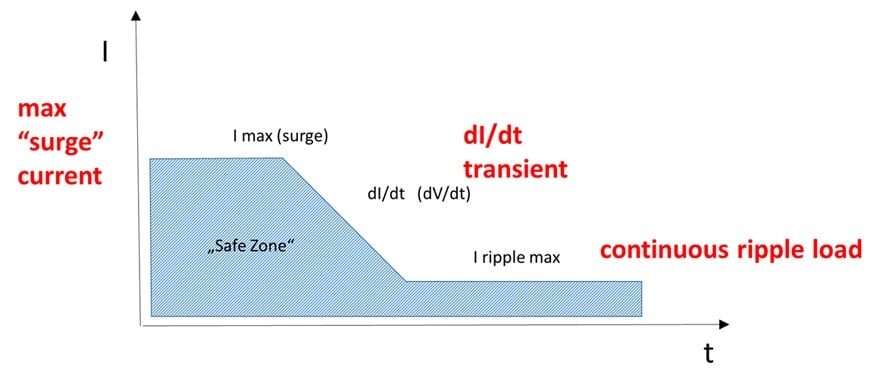
Surge current, often called inrush current, refers to the sudden spike in electrical current that flows when an LED light fixture or driver is first switched on.
Unlike incandescent bulbs, which gradually heat up, LEDs contain electronic components such as drivers, capacitors, and rectifiers. These components can momentarily draw two to five times the normal operating current at the instant of startup.
- Example: If an LED lamp normally operates at 0.5 amps, the surge current could briefly spike to 2–3 amps before settling.
- Duration: The surge usually lasts only a few milliseconds, but it can still stress circuits and components.
Why Does Surge Current Happen in LEDs?
Surge current in LED lighting is linked to the design of the internal power supply. Here are the main contributors:
- Capacitor Charging
- When the power supply switches on, capacitors inside the LED driver absorb a large amount of energy quickly.
- This is the primary cause of high inrush currents.
- Driver Topology
- Different LED drivers (linear, switch-mode, constant current) have varying surge behaviors.
- High-efficiency switch-mode drivers are especially prone to higher surge currents.
- Multiple LEDs on One Circuit
- Connecting multiple LED fixtures to a single circuit magnifies the cumulative surge, often triggering circuit breakers unnecessarily.
- Power Grid Conditions
- Voltage spikes from unstable grids, generator startup, or nearby heavy loads can exacerbate surge currents.
The Effects of Surge Current on LED Lighting
If left unmanaged, surge current can cause significant issues for both lamps and circuits:
- Shortened LED Lifespan – Repeated stress reduces the reliability of drivers and capacitors.
- Premature Component Failure – LEDs may burn out or flicker long before their rated hours.
- Tripped Breakers or Fuses – High startup current can exceed protective device thresholds.
- Increased Maintenance Costs – Frequent replacements undermine the cost-saving benefits of LEDs.
- Voltage Disturbances – Can disrupt sensitive electronics on the same circuit.
How to Measure and Evaluate Surge Current in LED Lighting
For engineers and installers, measuring surge current is crucial. Tools include:
- Oscilloscopes – Capture short-duration surge profiles.
- Inrush Current Testers – Designed specifically for LED drivers and capacitors.
- Circuit Simulation Software – Helps predict surge characteristics during design.
By measuring startup profiles, you can ensure circuit breakers and surge protection devices are sized correctly.
Protecting Your Lamps and Circuits from Surge Current
1. Use Surge Protection Devices (SPDs)
- Install SPDs to safeguard both the LED fixture and the overall circuit.
- Many modern surge protectors comply with IEC 61643 and UL 1449 standards.
- Ideal for outdoor lighting where lightning strikes can cause severe surges.
2. Choose Quality LED Drivers
- High-quality drivers include built-in inrush current limiting circuits.
- Look for drivers with NTC thermistors or active inrush current limiting features.
3. Avoid Overloading Circuits
- Distribute LED fixtures across multiple circuits instead of clustering them.
- Check the maximum number of fixtures per breaker based on surge ratings.
4. Use Soft-Start Technologies
- Some advanced drivers incorporate soft-start mechanisms, gradually ramping current to avoid surges.
5. Ensure Proper Wiring and Grounding
- Loose or undersized wiring amplifies surge risks.
- Always follow NEC (National Electrical Code) or local standards for installation.
Applications Where Surge Current Protection Is Critical
- Commercial Buildings
- Offices often use dozens of LED panels on a single breaker. Managing inrush is essential to avoid tripping.
- Street Lighting
- Outdoor fixtures are highly exposed to power grid fluctuations and lightning strikes.
- Industrial Facilities
- Large-scale LED retrofits in factories must factor in surge management due to heavy machinery loads.
- Residential Installations
- Smart homes with dimmers, sensors, and automation systems need stable startup currents.
Industry Standards for Surge Protection in LED Lighting
Several organizations define surge protection standards:
- IEC 61000-4-5 – Electromagnetic compatibility (EMC) standards for surge immunity.
- ANSI/IEEE C62.41 – Defines surge categories for electrical systems.
- UL 1449 – Covers surge protective devices used in North America.
When buying LEDs, check if products comply with these standards to ensure long-term reliability.
Best Practices for Installers and Facility Managers
- Calculate the cumulative inrush before installing multiple LED fixtures.
- Use Type C or D circuit breakers (slower trip curve) for high inrush circuits.
- Label circuits where surge-prone devices are connected.
- Schedule regular inspections to replace worn-out SPDs.
Conclusion: The Importance of Understanding Surge Current in LED Lighting
Surge current may last only milliseconds, but its impact on LED performance, reliability, and safety is enormous. By understanding surge current in LED lighting, you can take proactive steps to protect your lamps and circuits—ensuring they deliver the long lifespan, energy savings, and consistent illumination they were designed for.
Whether you’re a homeowner installing a few smart bulbs or a facility manager overseeing thousands of fixtures, surge current management is a key factor in successful LED deployments.